Vietnamese Government Scholarship for international students: how it works and how to apply
Viet Nam funds thousands of foreign students every year through bilateral education agreements. Applications go through your own government, not the university. Here is how the scheme works.
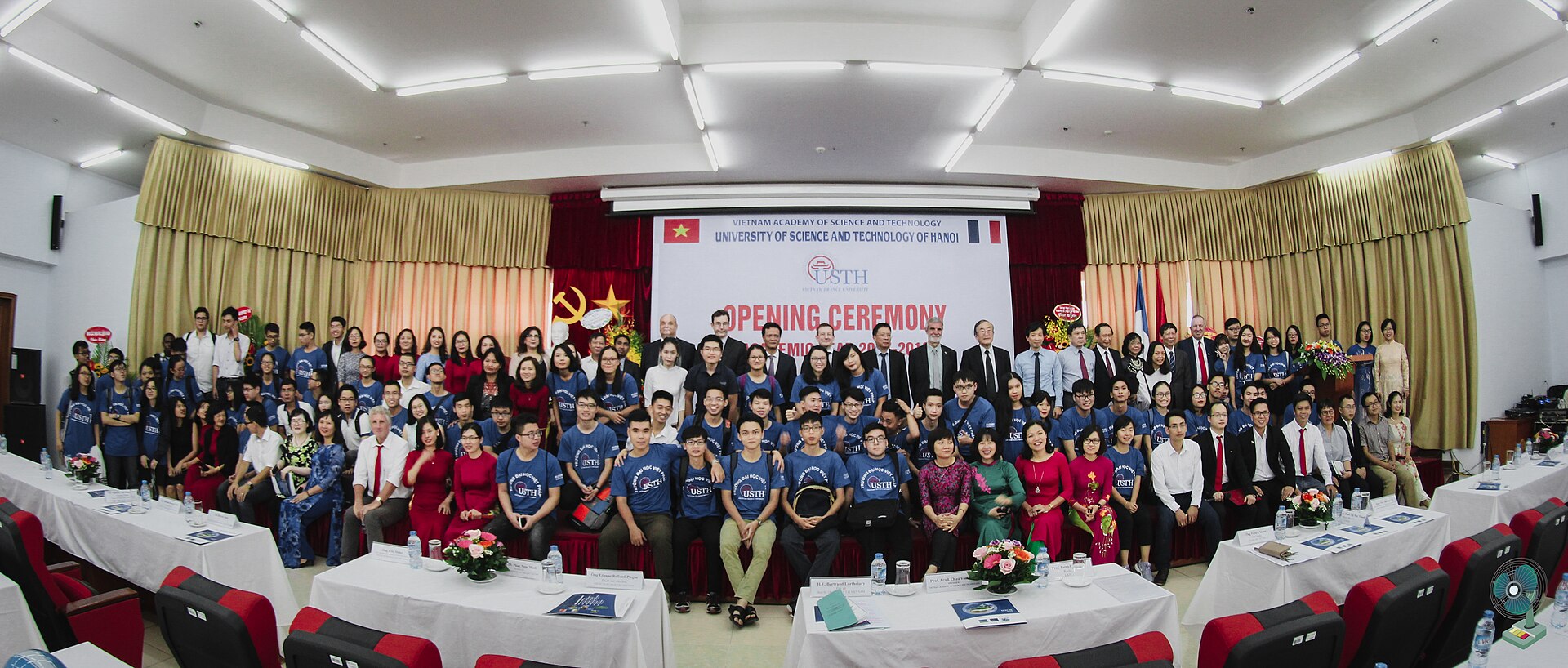
The Vietnamese Government Scholarship is the name most people use for the awards Viet Nam offers under its bilateral education agreements. Each partner country receives a quota every year, and its own ministry of education selects the candidates. In 2025-2026 around 4,000 students from 14 countries were studying in Viet Nam on these agreements, and 965 new students arrived that year.
Which countries have quotas?
Viet Nam has agreements with many countries across Asia, Africa, Europe and Latin America. Quotas are set agreement by agreement and change over time. Recent public examples:
- Laos: the largest programme. Laos sends more students to Viet Nam than to any other country.
- Cambodia: 150 scholarships a year for undergraduate and postgraduate study under the 2026-2030 agreement.
- Mozambique: 15 scholarships a year from 2026, up from 10.
- Ukraine: 40 scholarships for 2026-2027, with applications through Ukraine's education ministry until 15 June 2026.
- Mongolia: bachelor's, master's and PhD awards, with online applications through Mongolia's scholarship portal until 1 June 2026.
If your country is not listed here, it may still have an agreement. Ask your ministry of education or the Embassy of Viet Nam.

How to apply, step by step
- Watch for the call in your country. It is usually published by your ministry of education or scholarship agency in spring, for a September start.
- Prepare your documents: application form, diploma and transcripts, passport, medical certificate and photos. Your ministry gives the exact list.
- Choose a field and level. Some agreements let you name preferred universities in Viet Nam; others place you.
- Pass your country's selection. Your ministry sends the shortlist to Viet Nam's Ministry of Education and Training, which places students at universities.
- Take the Vietnamese preparatory year if you do not yet speak Vietnamese, then start your degree.
Not selected, or no agreement in your country? University scholarships are open to every nationality. See our complete scholarship guide.
What is usually covered
Coverage depends on the agreement. Typically it includes tuition, a dormitory place, a monthly living allowance and health insurance; some agreements also cover the return flight. Check the call in your country for the exact terms.
Tips
- Start learning basic Vietnamese early: it makes the preparatory year easier.
- Choose a field your country needs: many agreements prioritise engineering, health, agriculture and education.
- Keep certified copies of every document; you will need them again on arrival.
Want to know whether your country has a quota this year? Ask our advisers and we will check for you.
Information checked on 28 November 2026 against the sources listed below. Rules, quotas and deadlines change every year: always confirm with the university or the authority before you apply.
Sources
- VietNamNet – Vietnam hosts nearly 22,000 foreign students
- VietnamPlus – Viet Nam and Cambodia sign 2026-2030 education agreement
- VOV – Mozambique, Vietnam boost education cooperation
- Interfax-Ukraine – 40 scholarships for Ukrainian citizens 2026/2027
- ikon.mn – Vietnam scholarship applications for Mongolian students 2026
- Tuoi Tre – Viet Nam trains the most Lao students
Frequently asked questions
Can I apply for the Vietnamese Government Scholarship directly?
No. Candidates are selected by their own government under a bilateral agreement. Contact your ministry of education or the Embassy of Viet Nam.
Is the Vietnamese Government Scholarship taught in English?
Mostly not. Most scholarship students study in Vietnamese after a one-year preparatory course. For English-taught degrees, look at university scholarships.
Which countries can get the Vietnamese Government Scholarship?
Countries with an education agreement with Viet Nam, including Laos, Cambodia, Mozambique, Ukraine and Mongolia. Ask your ministry whether your country has a quota.