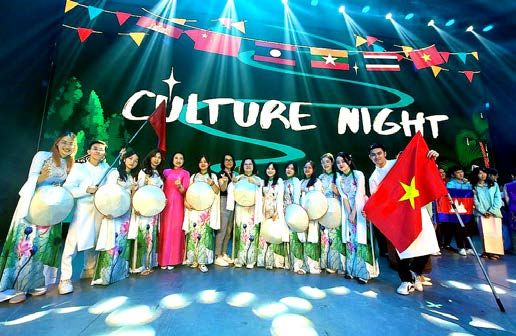
Festivals and culture
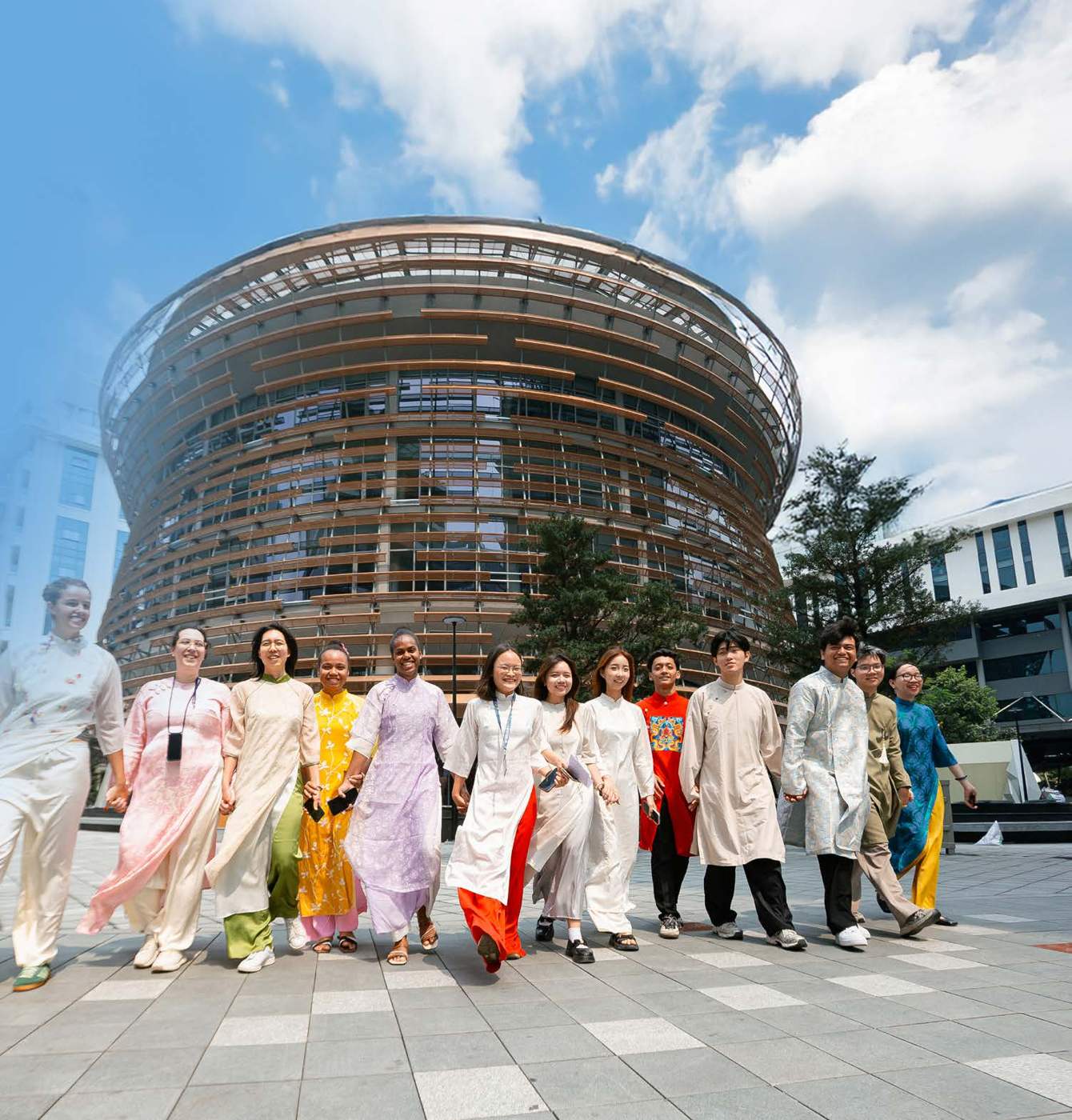
Tet, Mid-Autumn and international culture nights, with food stalls, music, ao dai, calligraphy and performances from many countries.
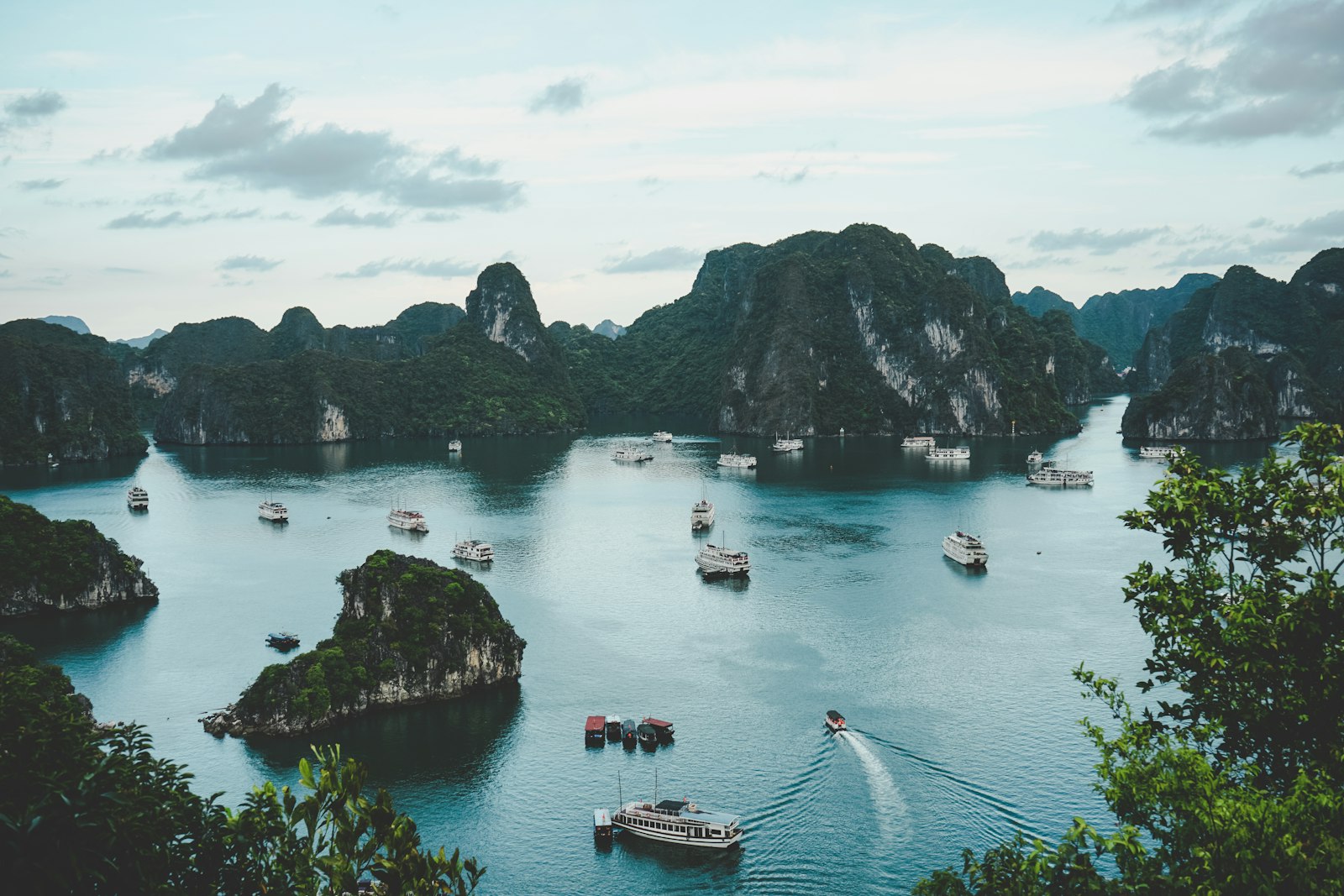
Where you study shapes your experience of Viet Nam. Each city offers its own mix of city life, heritage and landscapes.
Most of the country's leading universities are here, between the lakes, the old quarter and a fast-growing skyline.
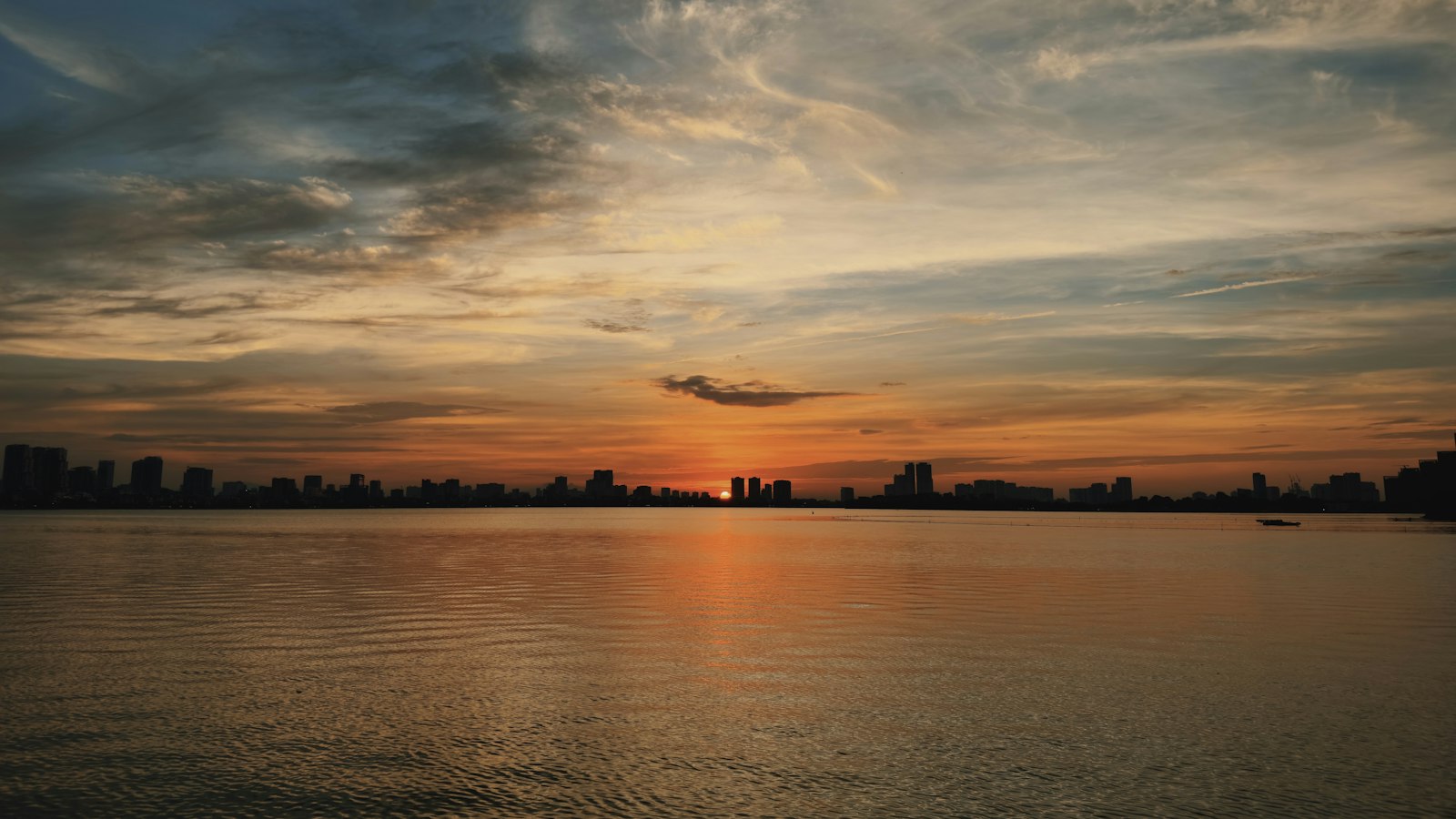
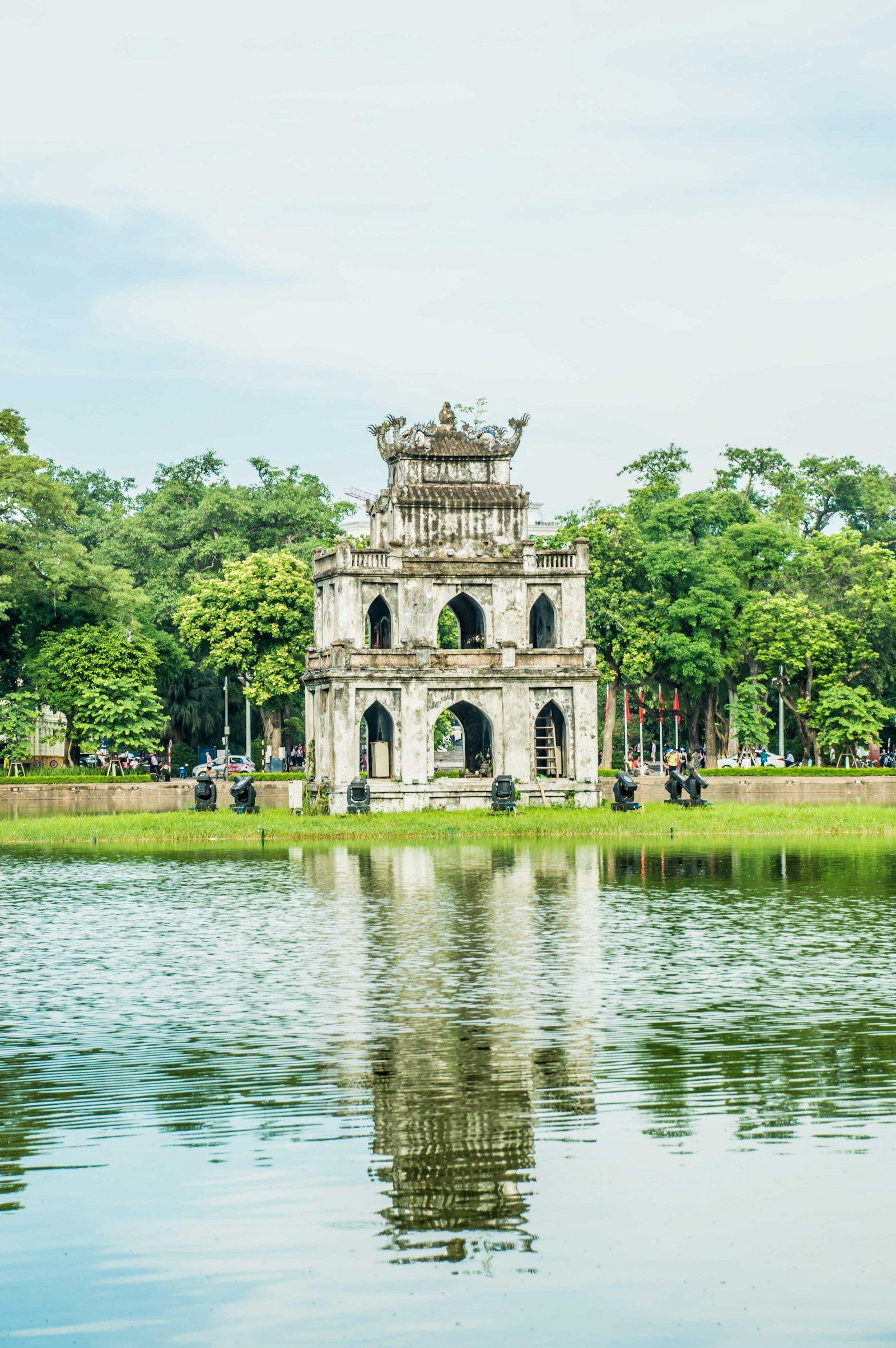
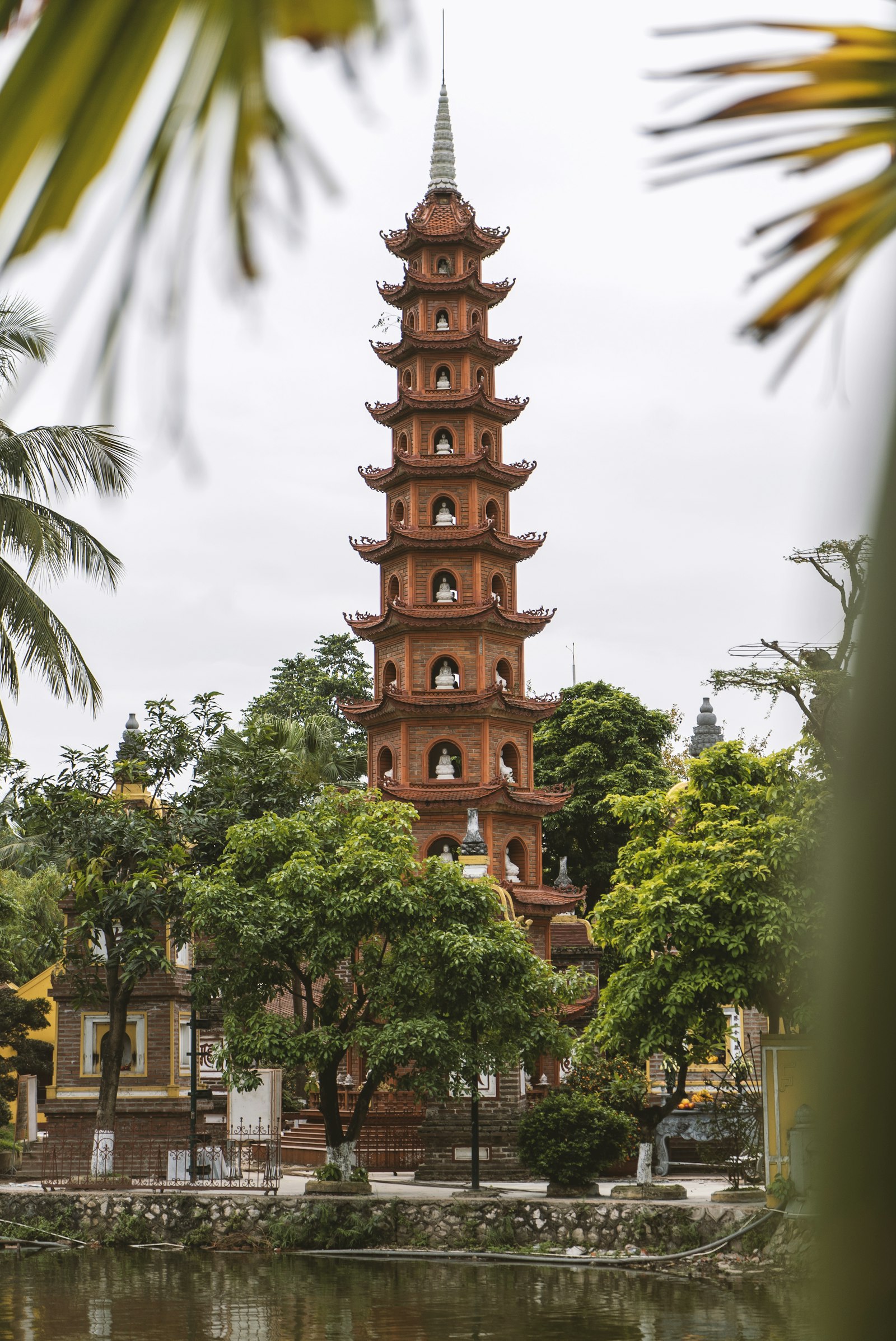
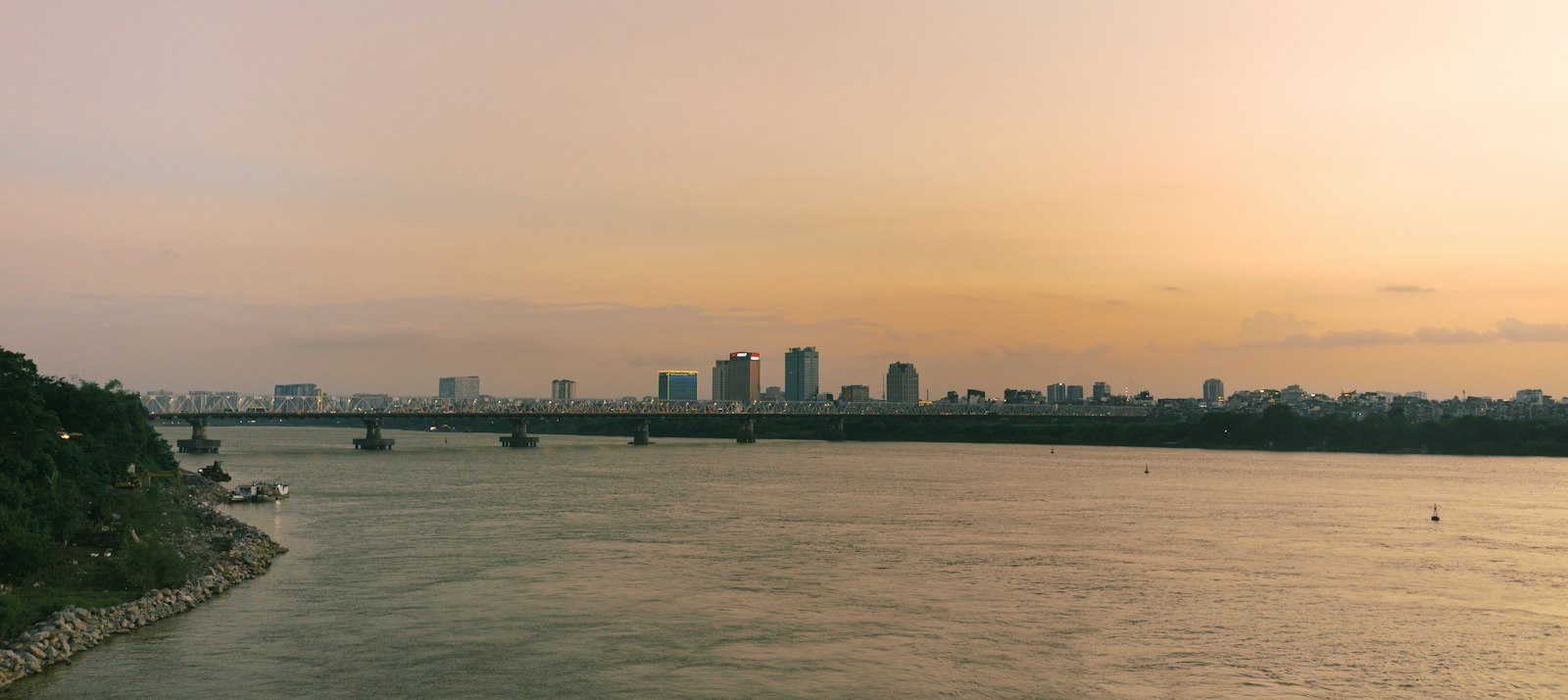
Tap a city to see the universities there.
Most universities run clubs, festivals and trips for international students, often together with Vietnamese classmates. These are the activities you are most likely to find.
Tet, Mid-Autumn and international culture nights, with food stalls, music, ao dai, calligraphy and performances from many countries.

Clubs and tournaments for football, basketball, swimming, badminton and more, from faculty level to university championships.
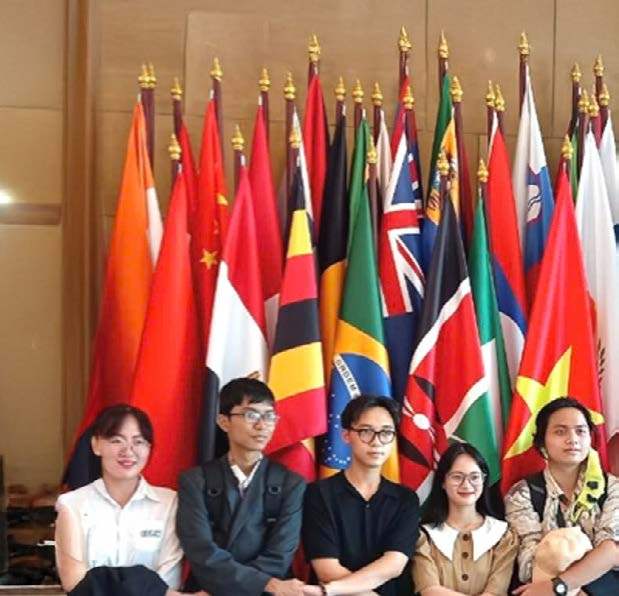
Welcome days, buddy programmes and international student associations that help you settle in and meet people.
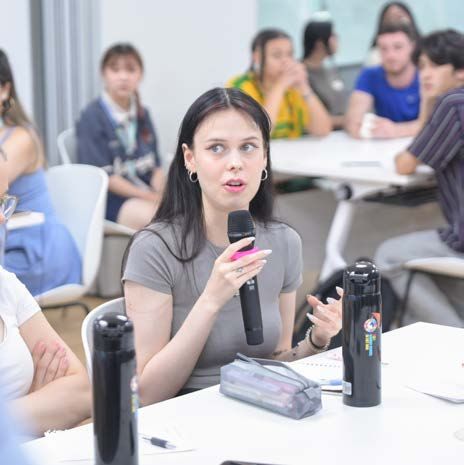
English and Vietnamese clubs, academic societies, debate and innovation competitions.
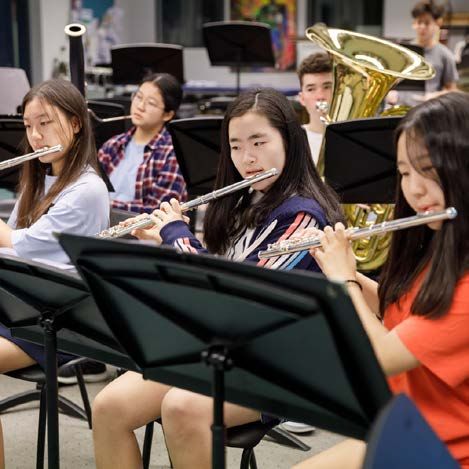
Orchestras, bands, dance and drama groups, with stages at almost every festival.
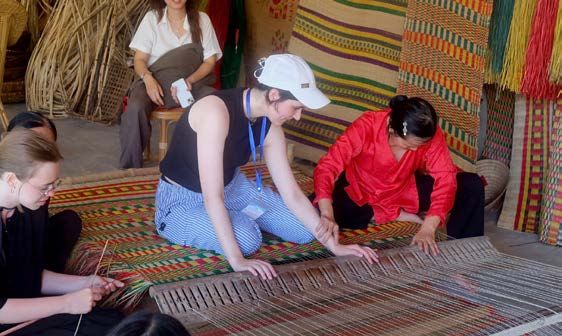
Workshops in weaving, pottery, calligraphy and other traditional crafts.
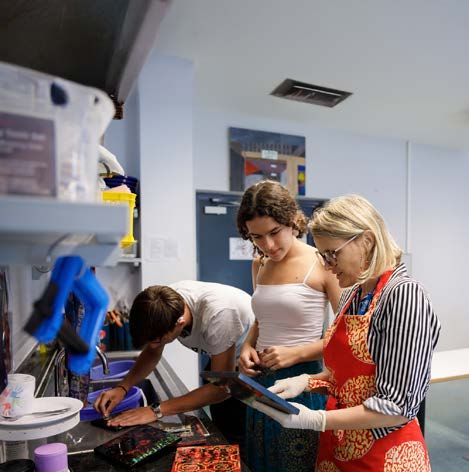
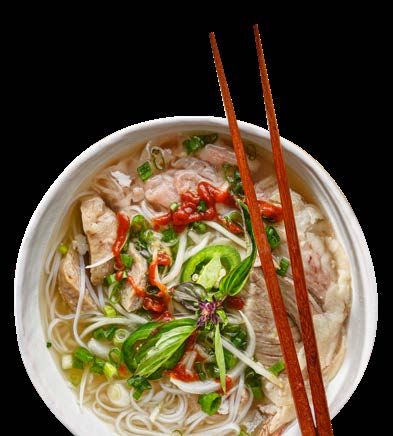
Cooking days and food fairs where students share dishes from home and learn Vietnamese favourites.
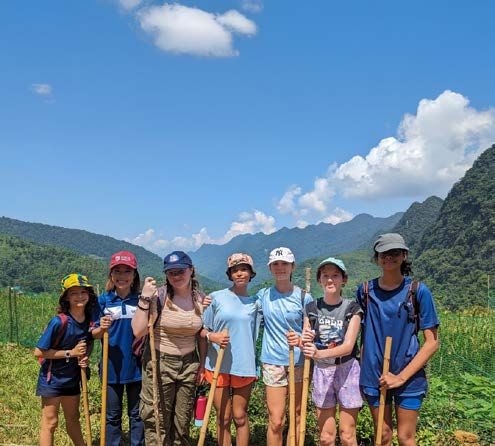
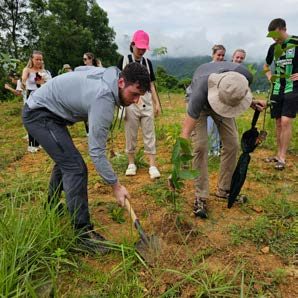
Community projects, the summer Green Summer campaign and weekend trips into the countryside.
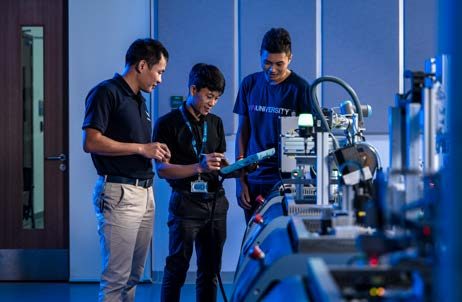
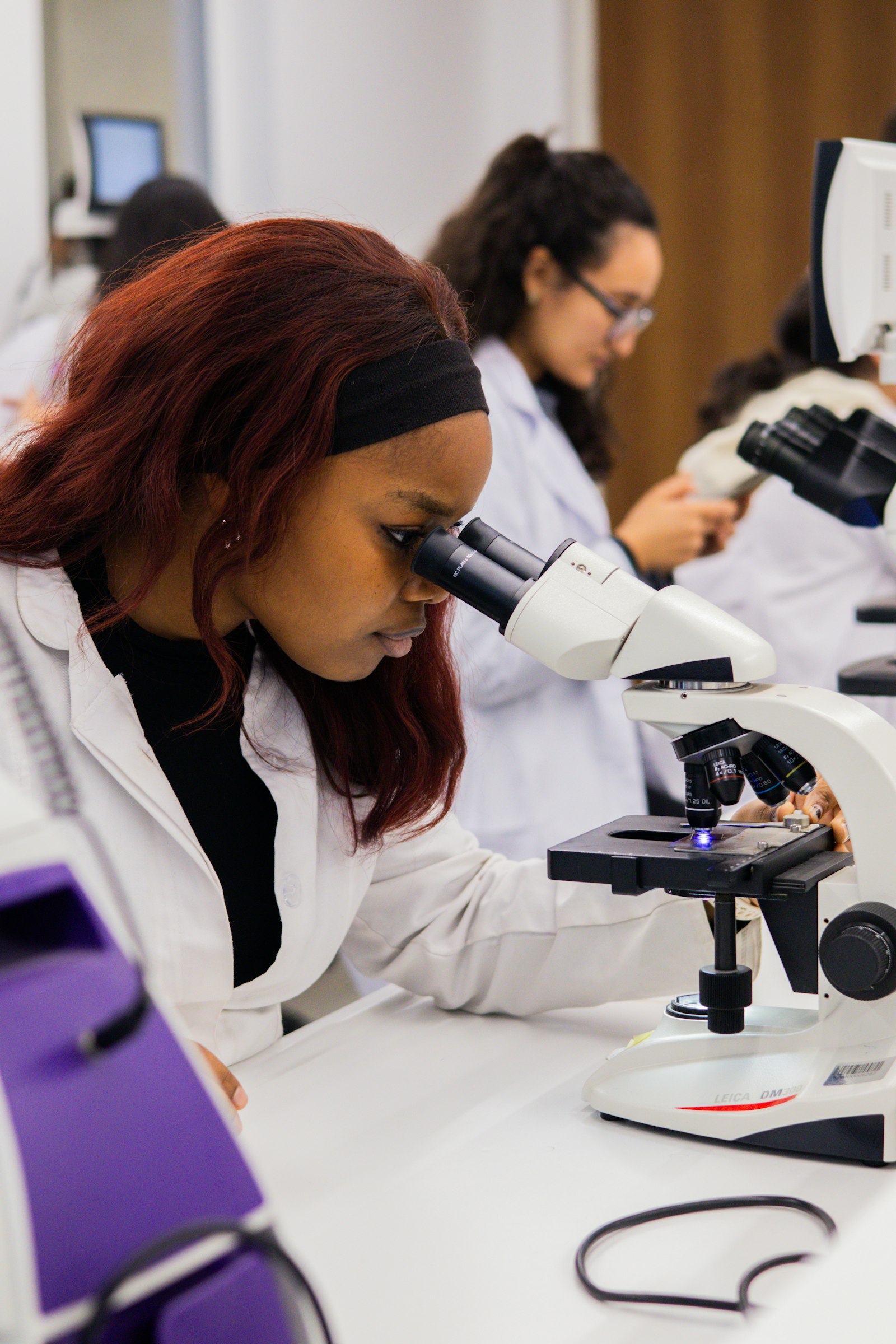
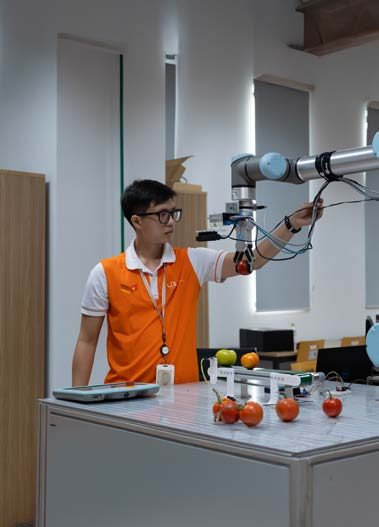
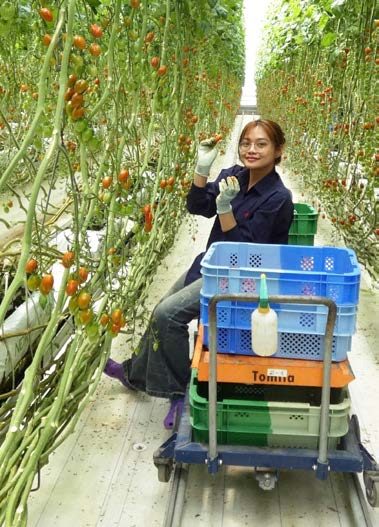
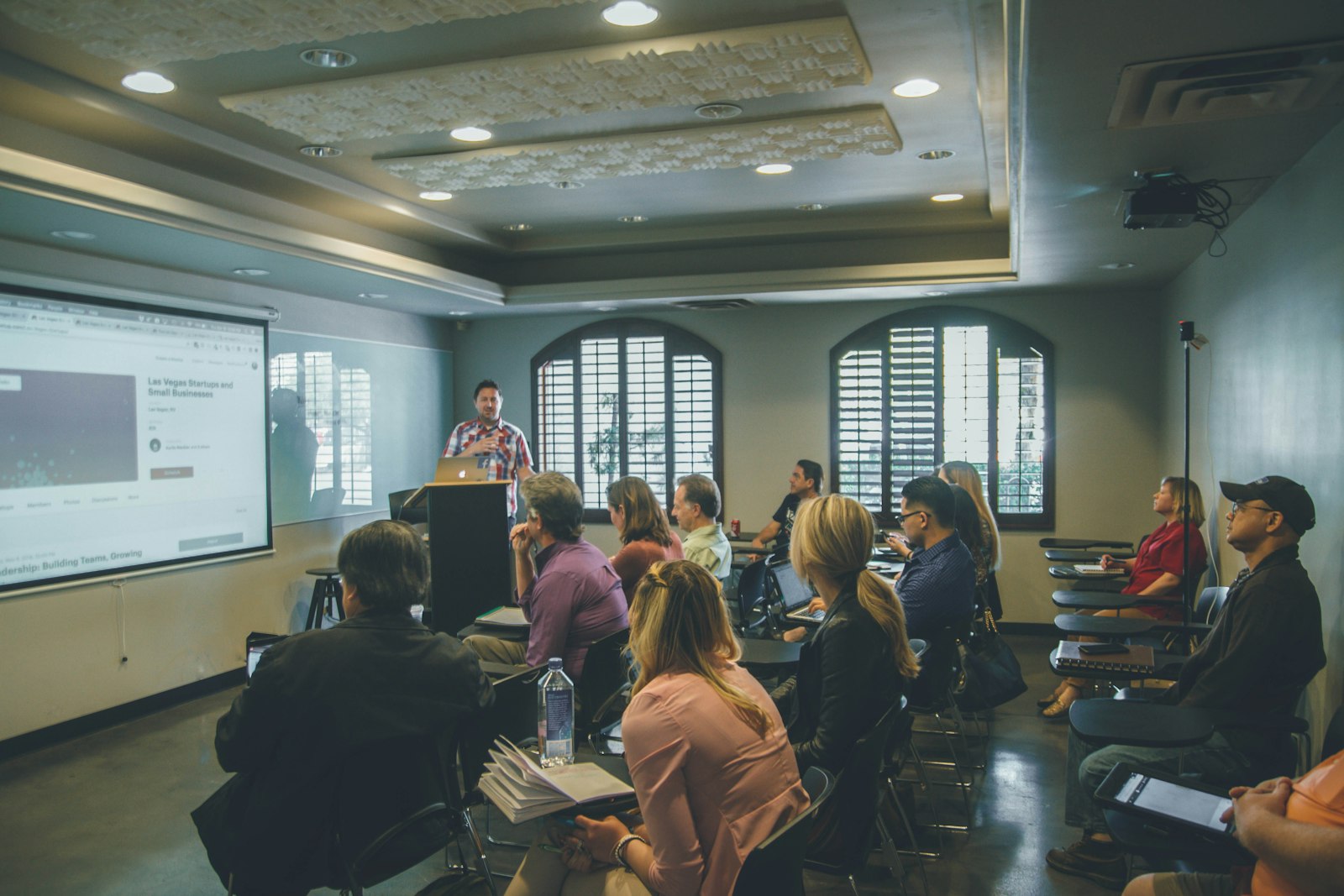
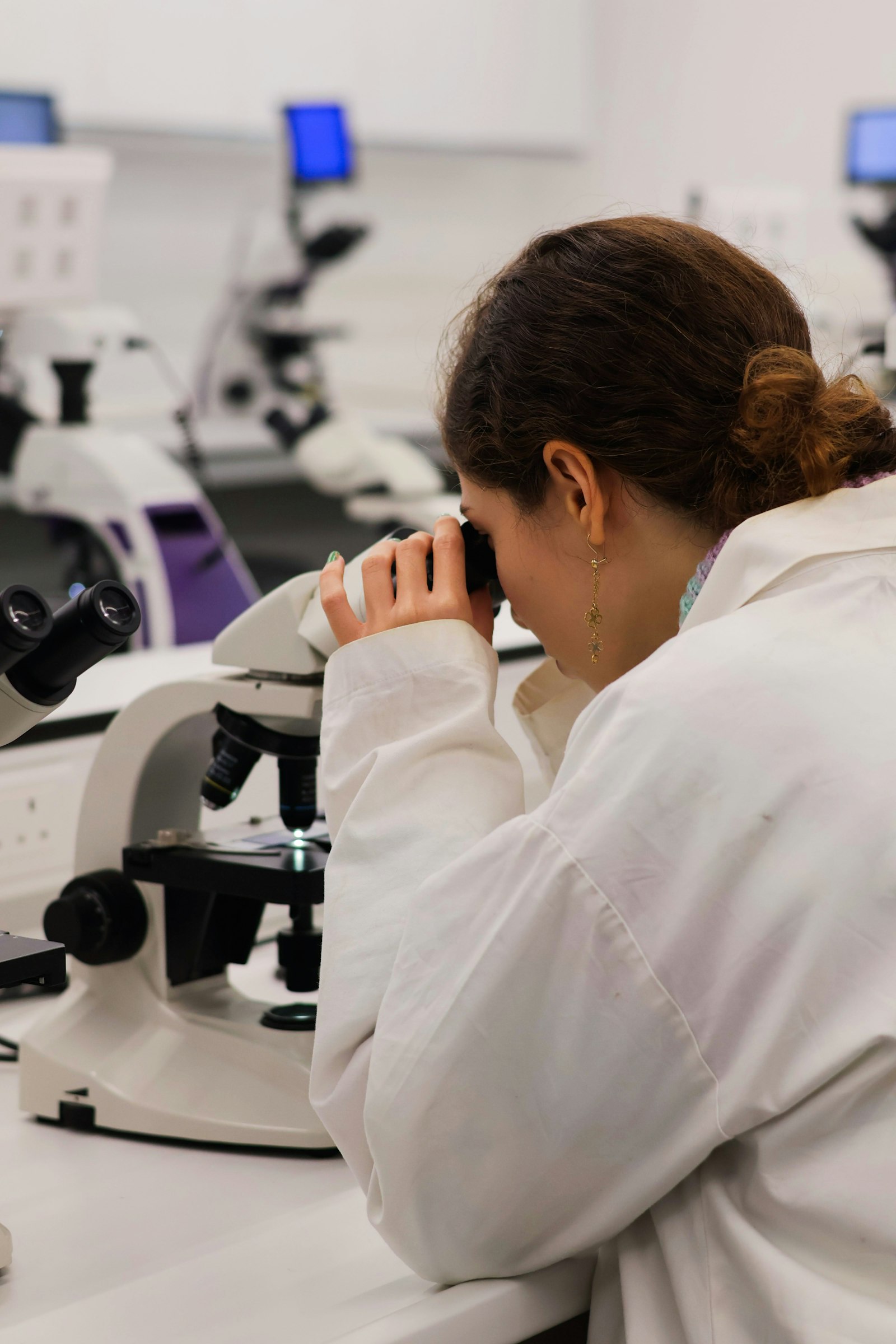
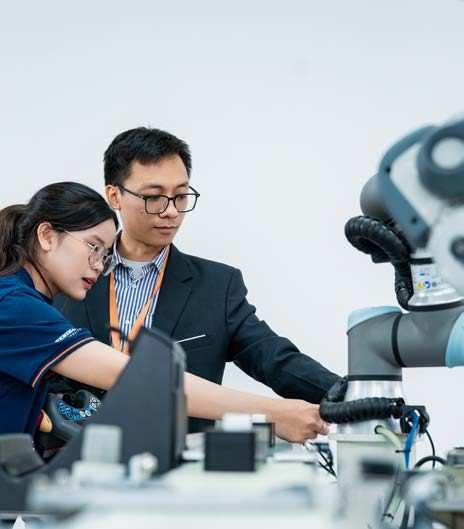
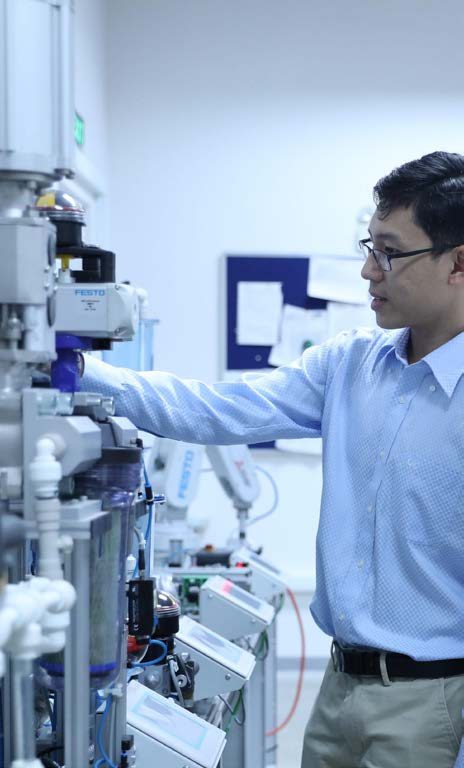
Lectures, seminars and hands-on work in labs, workshops and the field. Many programmes include projects with companies and research groups.







The academic year usually starts in September. Here is what a typical year looks like on campus. Exact dates differ by university and by the lunar calendar.
Orientation weeks and international days open the year. The Mid-Autumn Festival falls on the 15th day of the 8th lunar month, and universities hold lantern-making and mooncake events for international students.
November 24 is Viet Nam Culture Day, a paid public holiday since 2026, with free or reduced entry to many public cultural and sports venues. Many universities hold international student gatherings and culture festivals before the end of the year, and some organise Christmas events.
Tet is the biggest festival of the year. Before the break, universities organise Tet programmes for international students: wrapping bánh chưng, calligraphy, lion dances, folk games, ao dai and lucky money. The public holiday lasts five days, and the whole break is often longer.
Culture festivals, sports tournaments and club events fill the spring semester. Hung Kings Commemoration Day (10th day of the 3rd lunar month) and the April 30–May 1 holidays are popular times to travel.
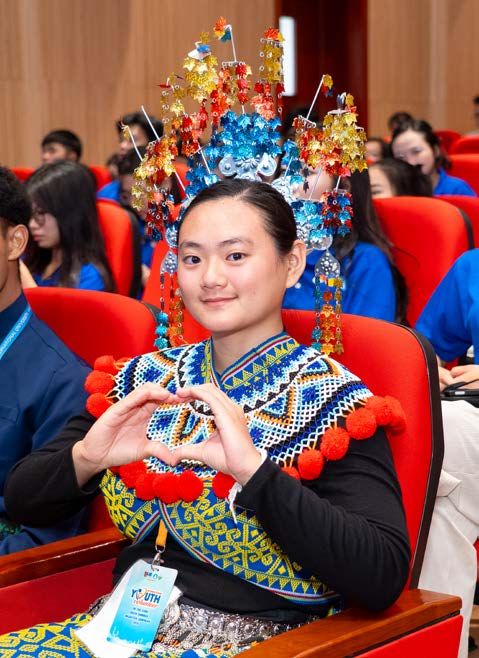
The Green Summer (Mùa hè xanh) campaign sends student volunteers to communities around the country, and international students take part too. Summer is also the time for language courses, internships and longer trips.
Classes, clubs, food and friends: a few snapshots of everyday student life in Viet Nam.
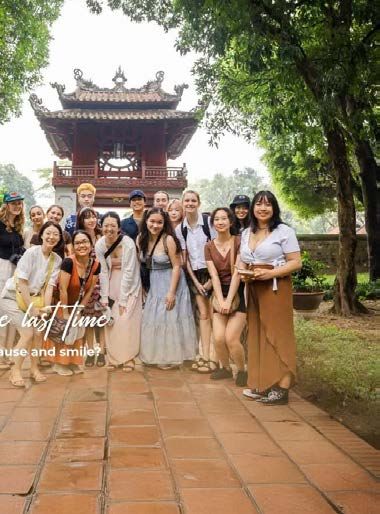

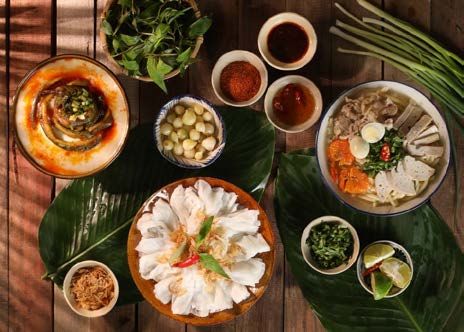
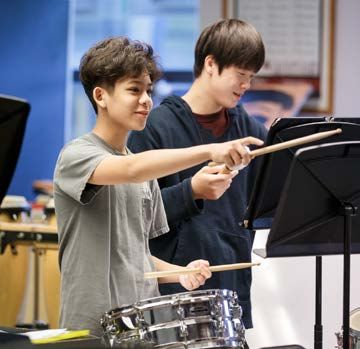
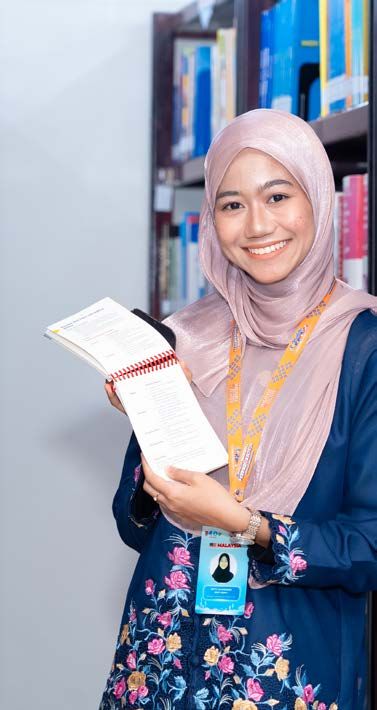
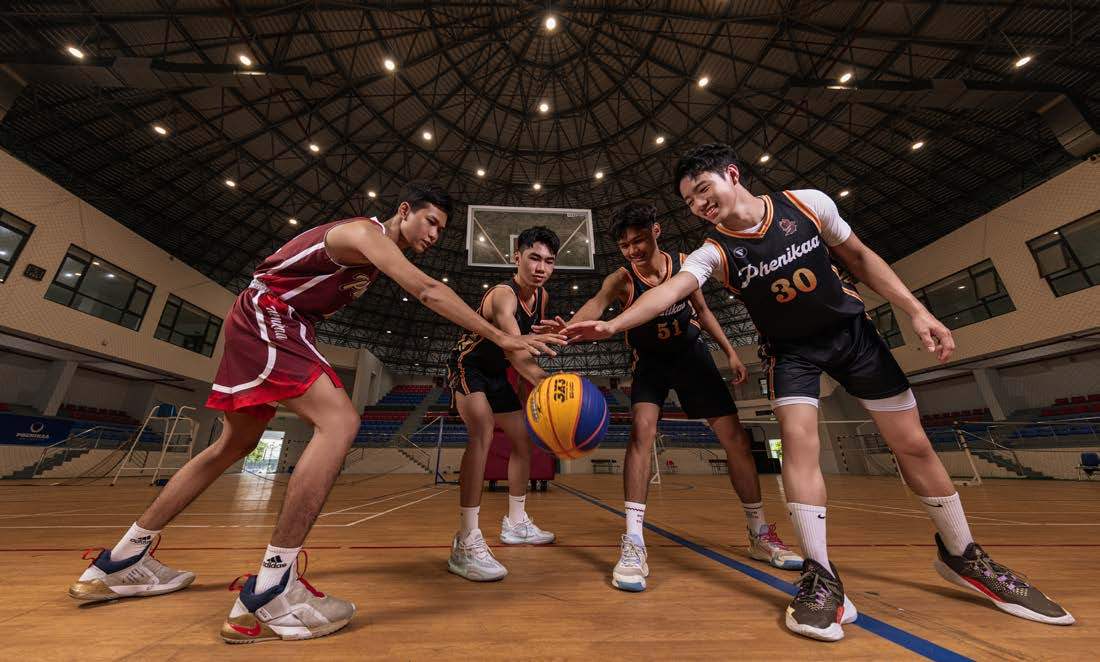

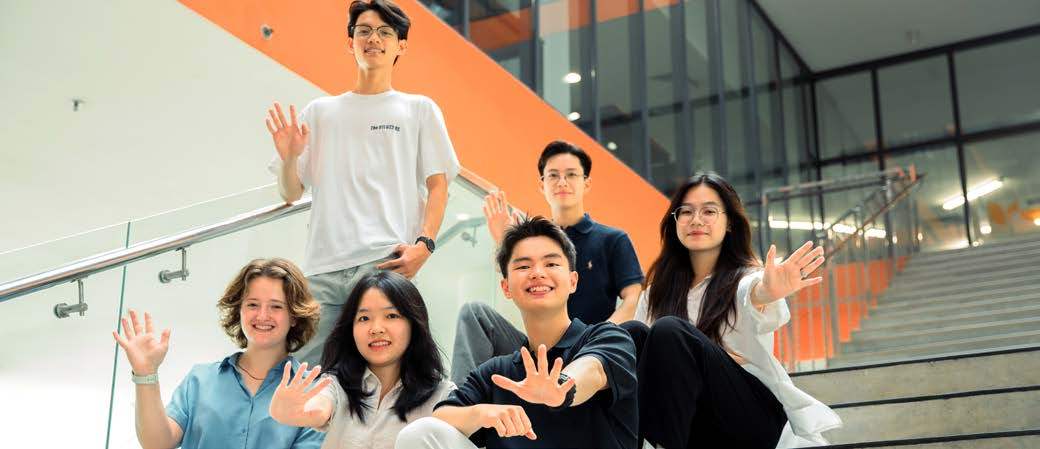
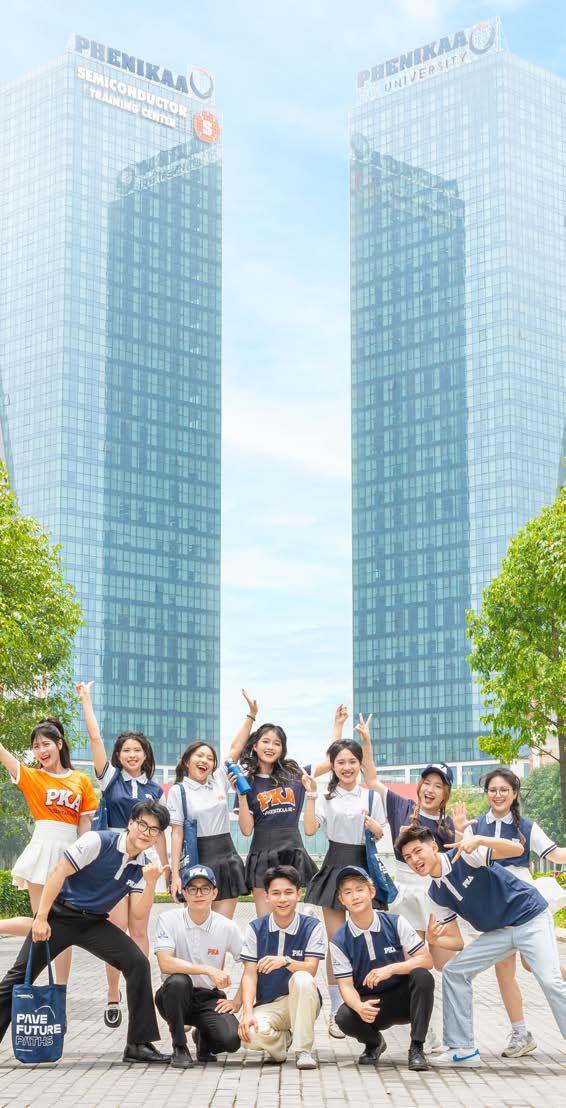
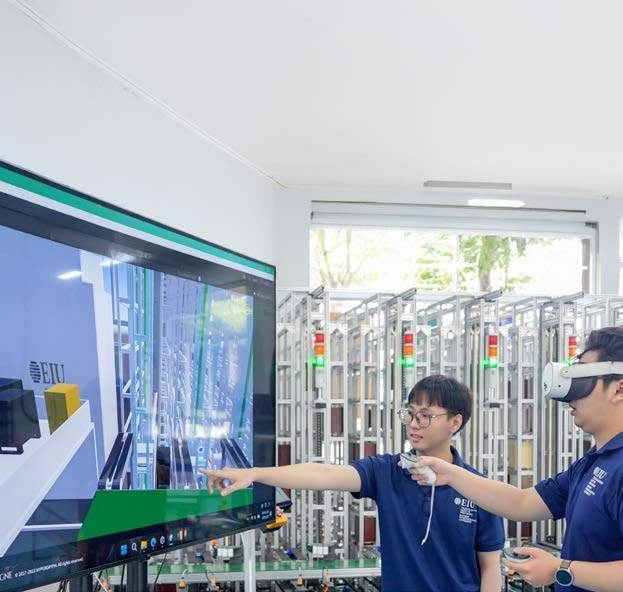
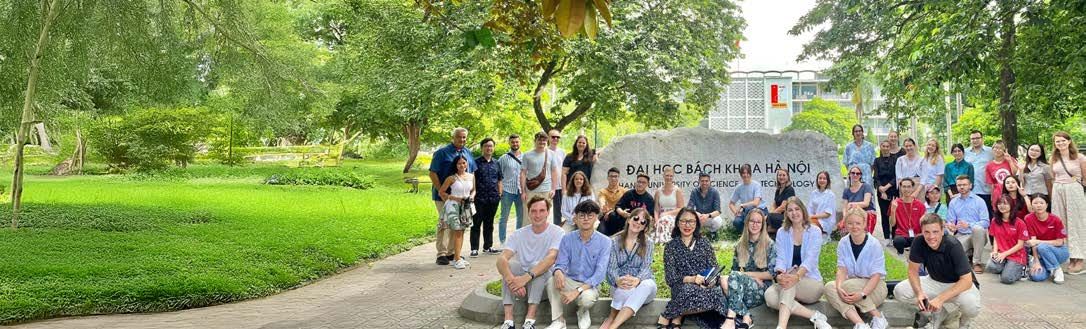
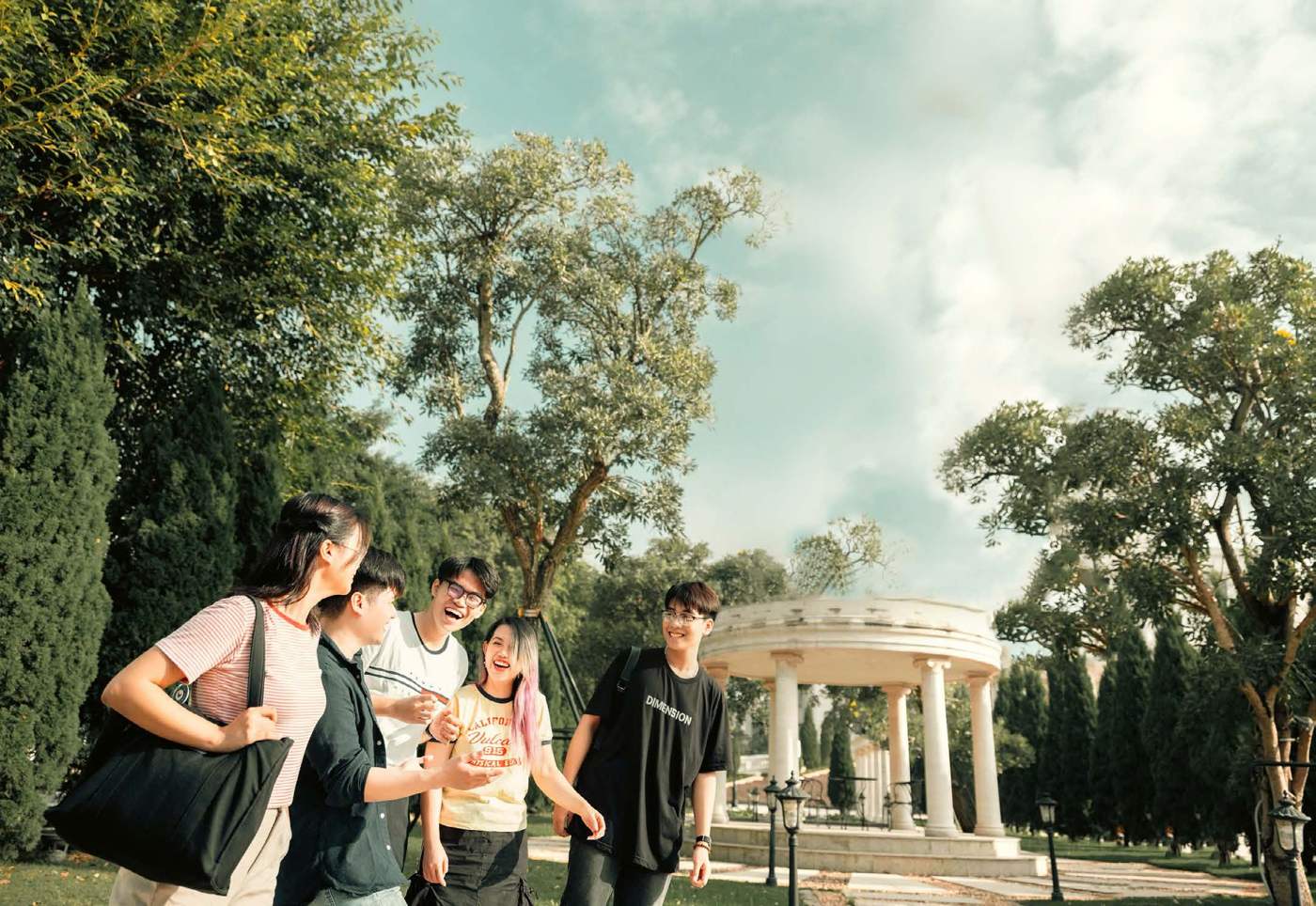
Between classes: courtyards, lawns, club days and time with friends.
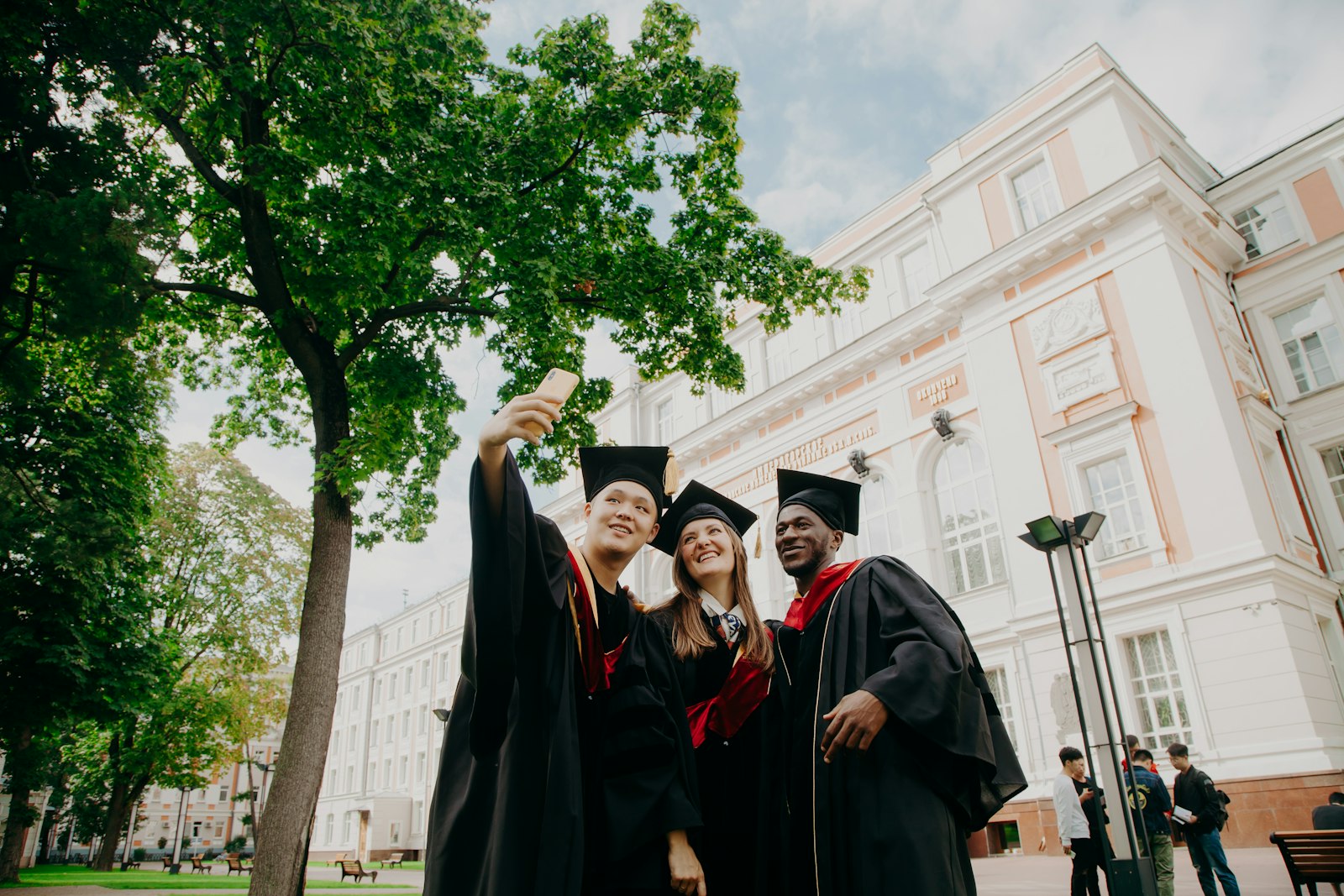
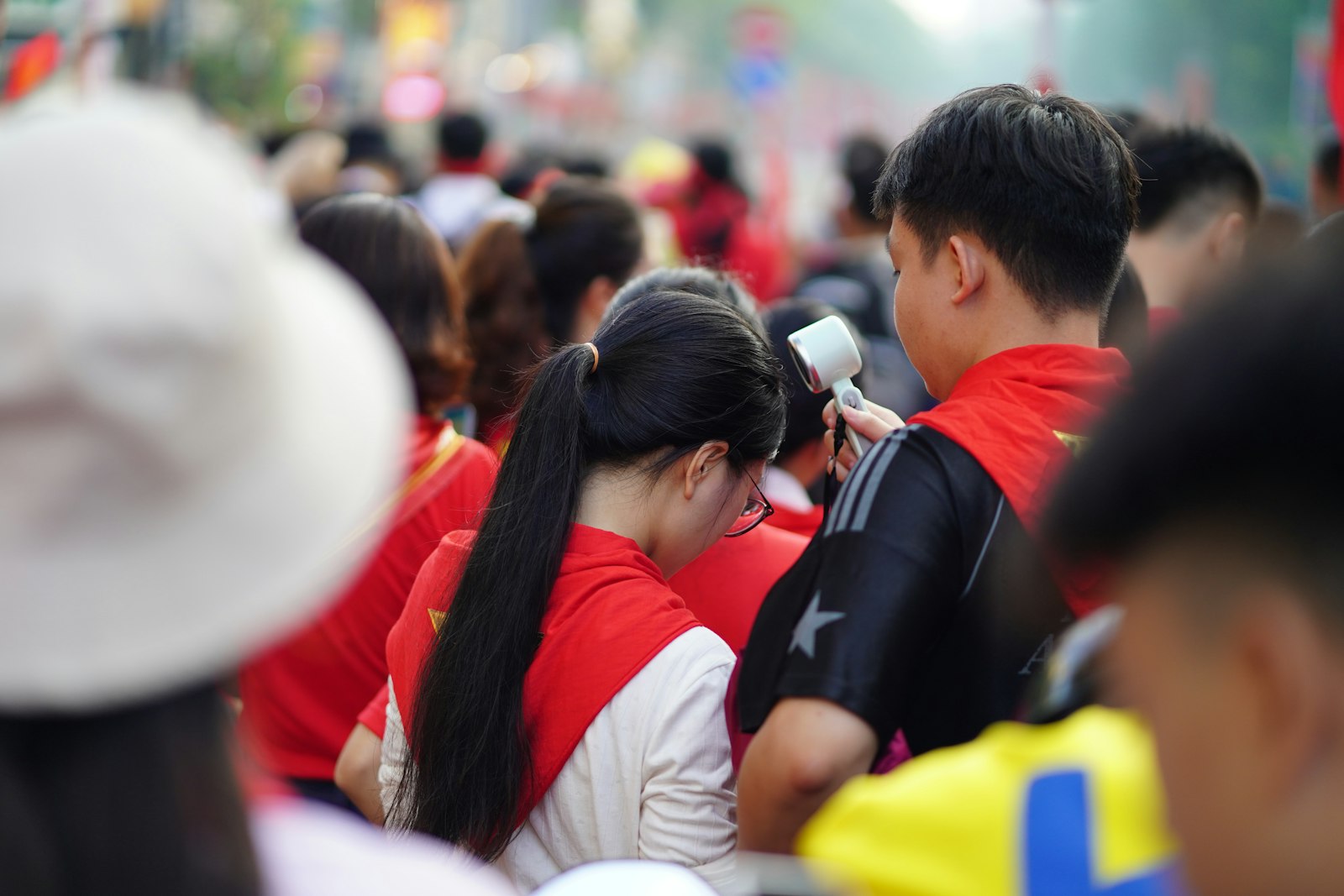
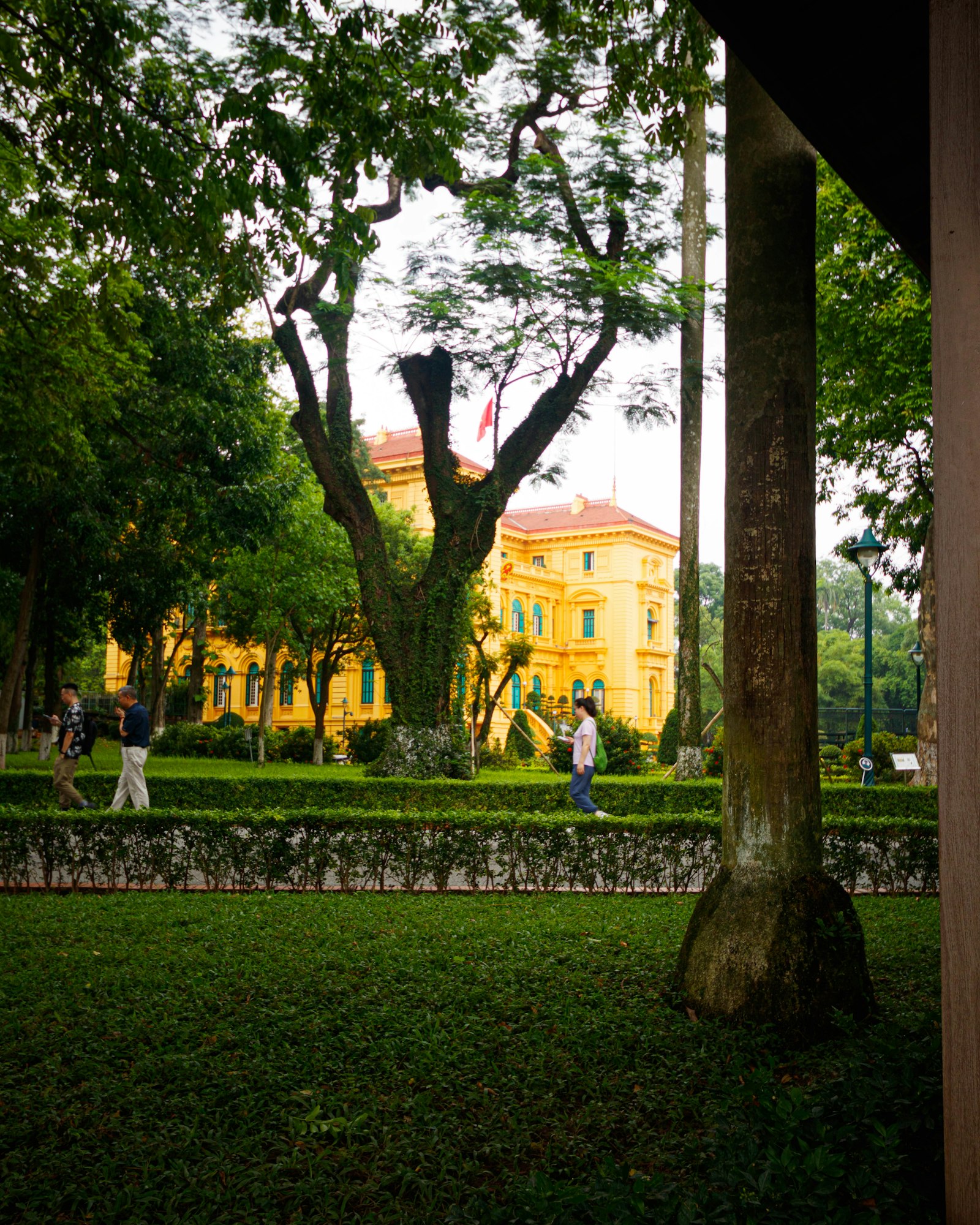
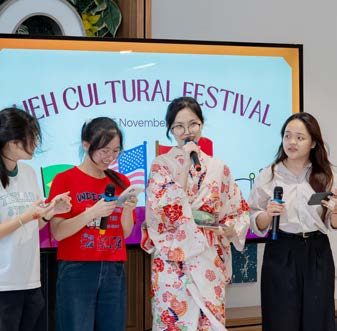
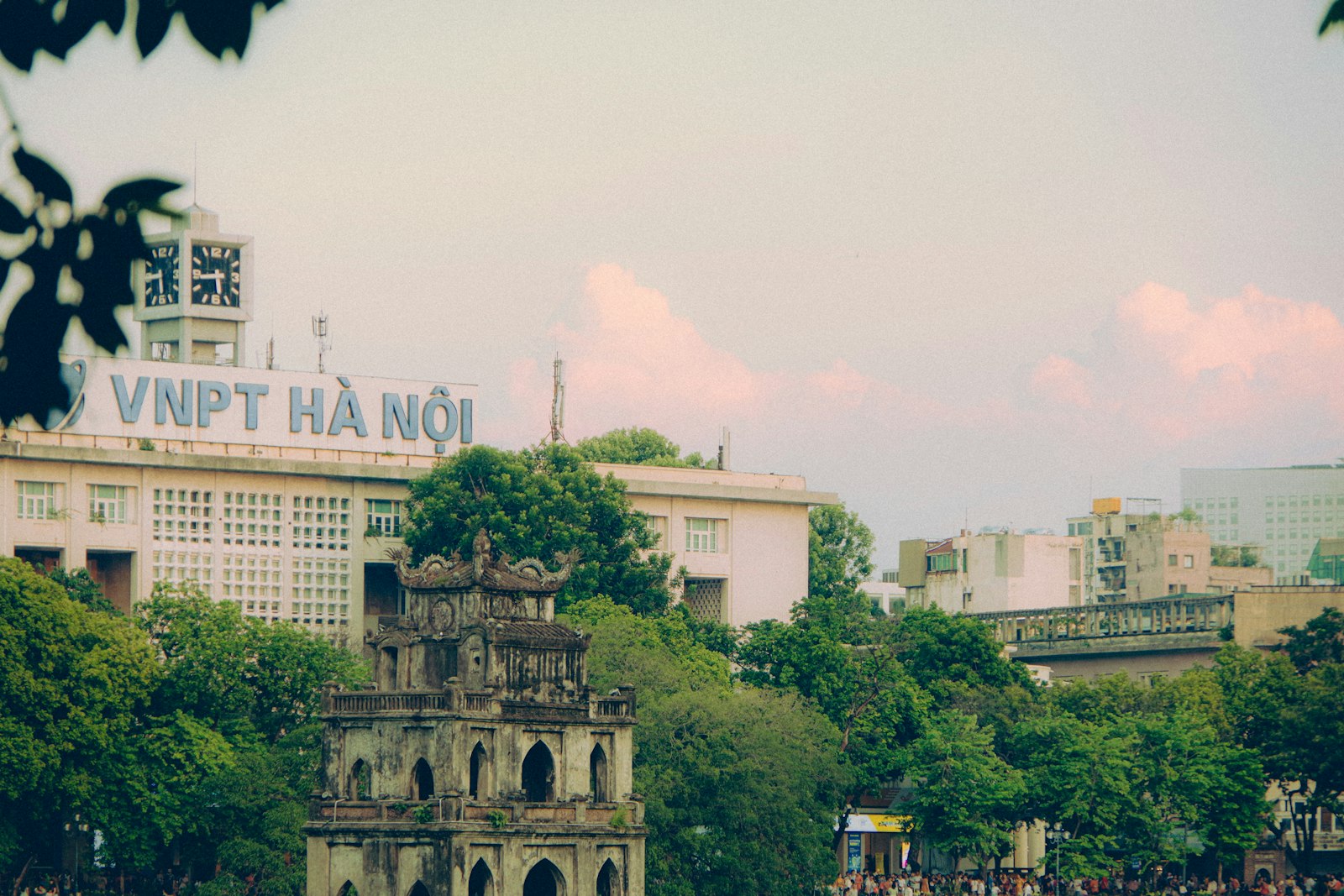
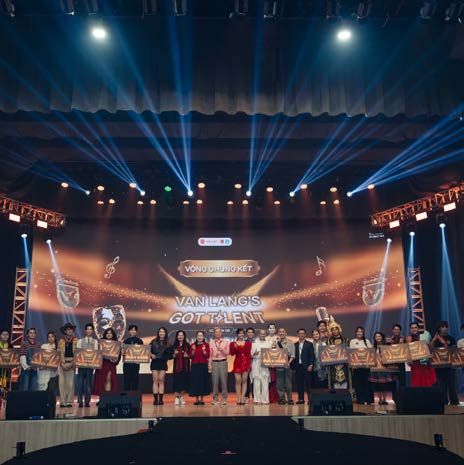
Scholarship and award presentations, galas and graduation days, when friends and families arrive with flowers.
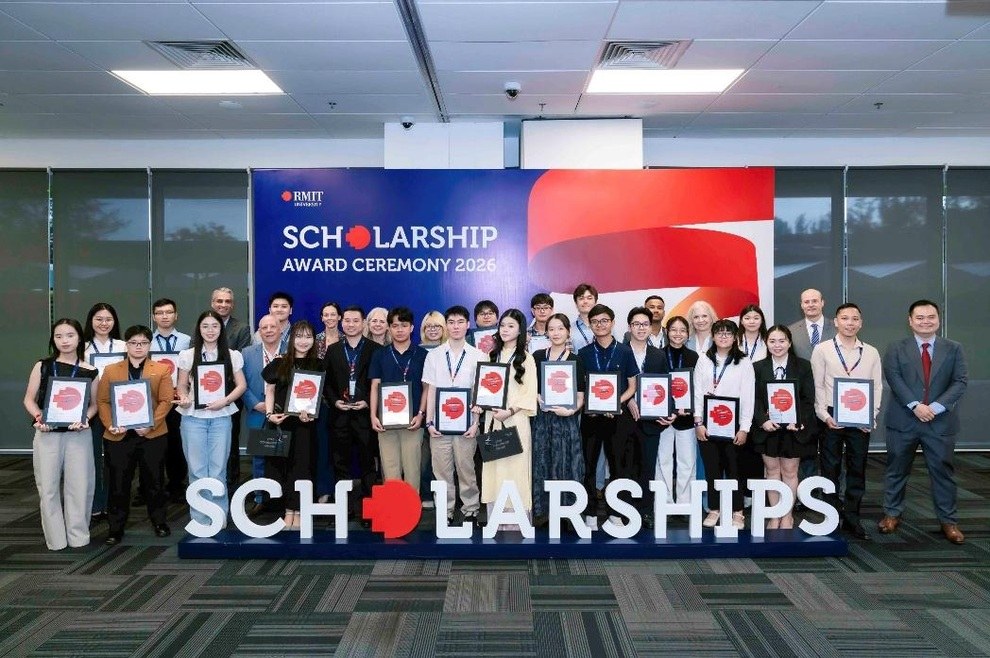
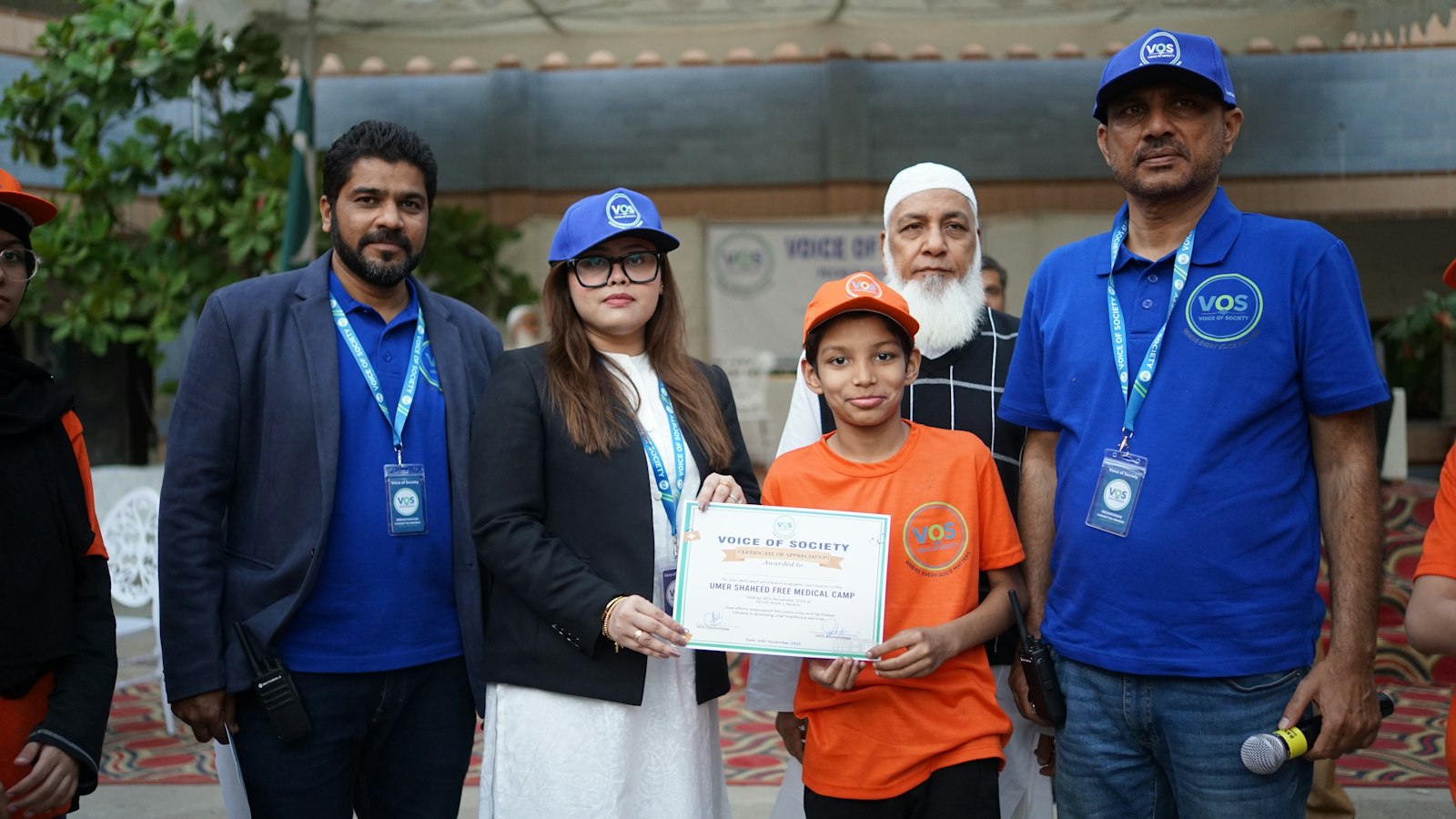

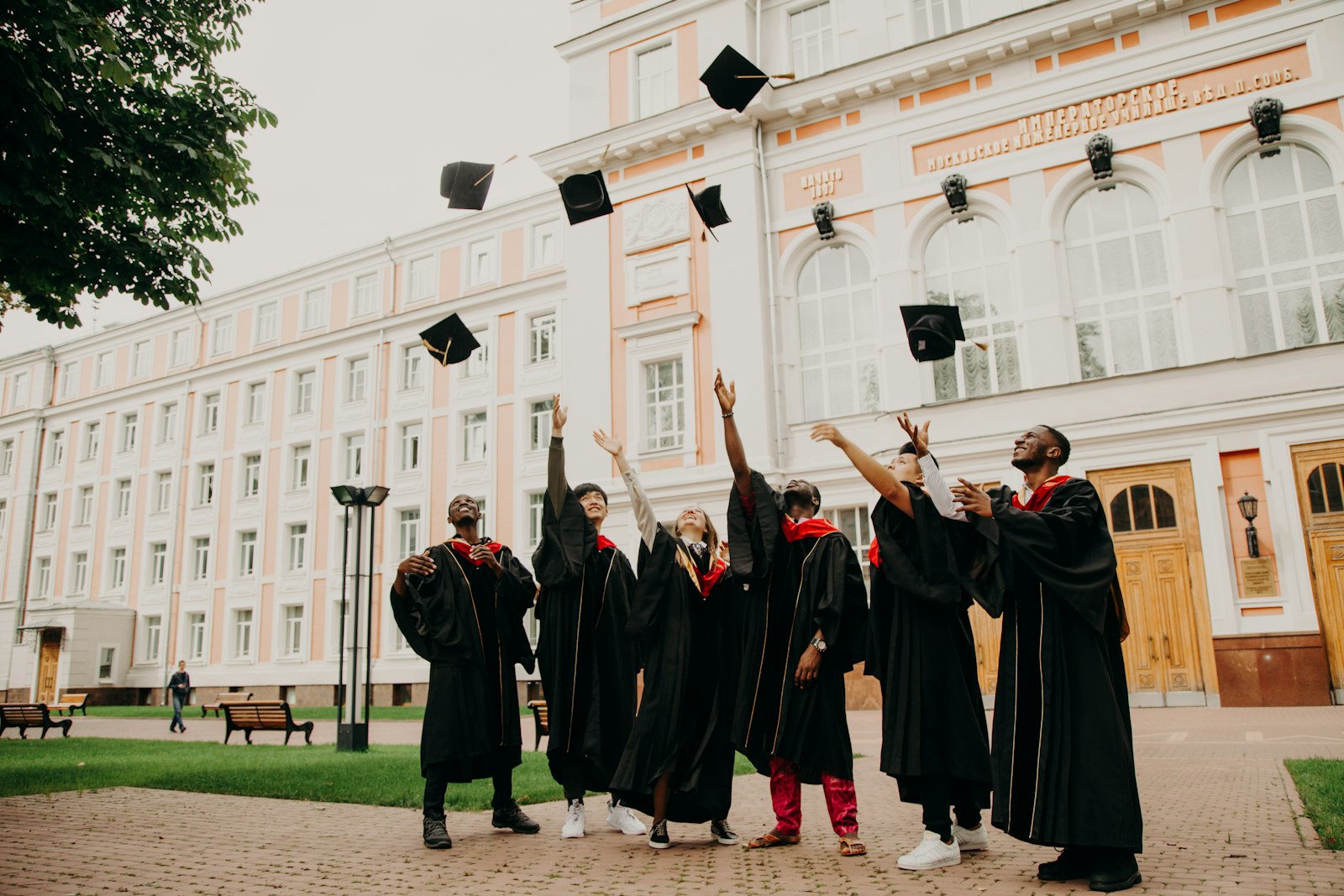
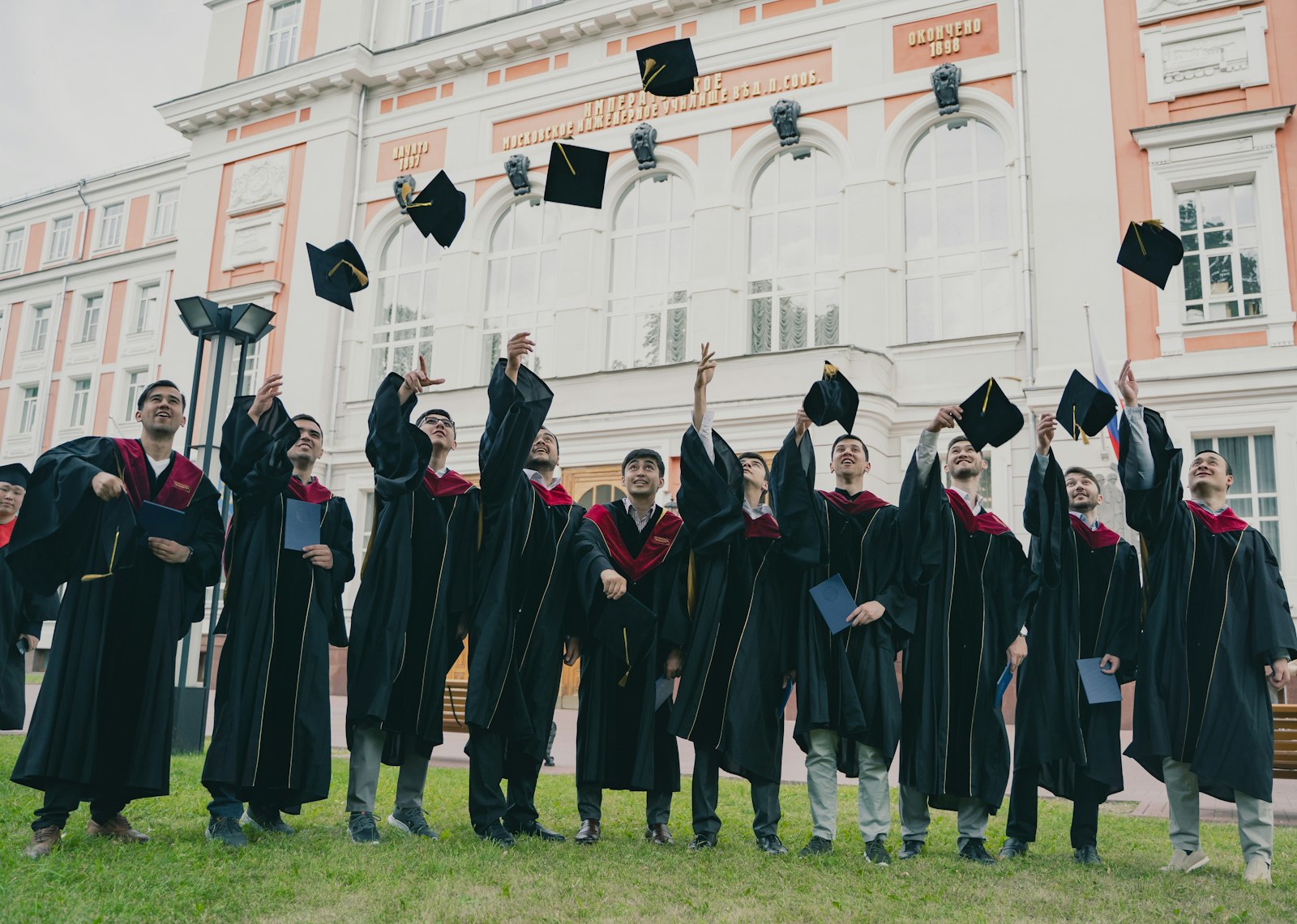

A few examples from universities' own news pages, to give you an idea of what happens on campus.
Under the Labour Code, Viet Nam has 11 paid public holidays a year, and Culture Day was added in 2026.
| New Year's Day | January 1 (1 day) |
|---|---|
| Tet, the Lunar New Year | January or February (5 days) |
| Hung Kings Commemoration Day | 10th day of the 3rd lunar month (1 day) |
| Reunification Day | April 30 (1 day) |
| International Workers' Day | May 1 (1 day) |
| National Day | September 2 (2 days) |
| Viet Nam Culture Day | November 24 (1 day, from 2026) |
When a holiday falls on a weekend, a day off is usually given on the next working day. The government often announces a longer Tet break each year.
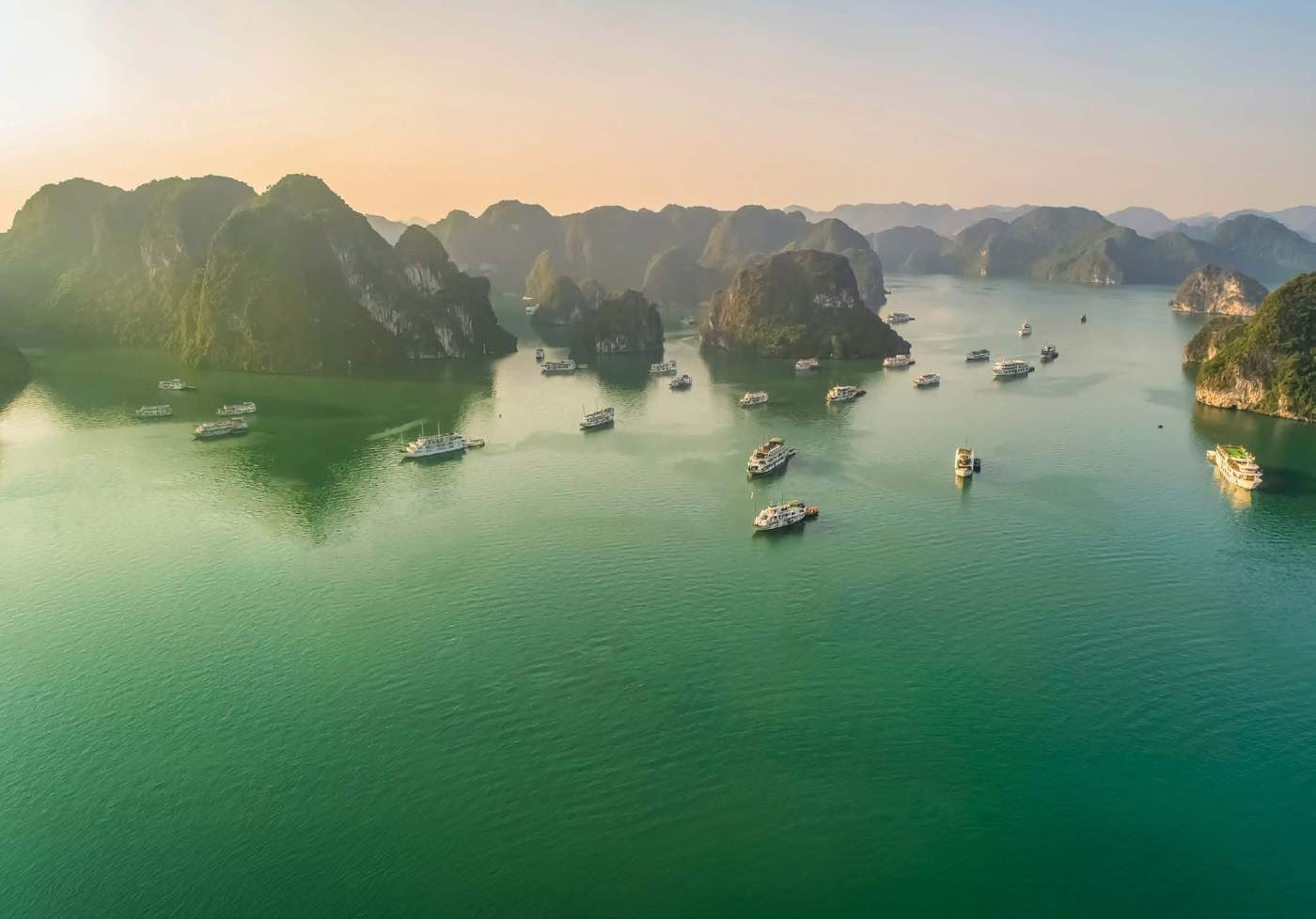
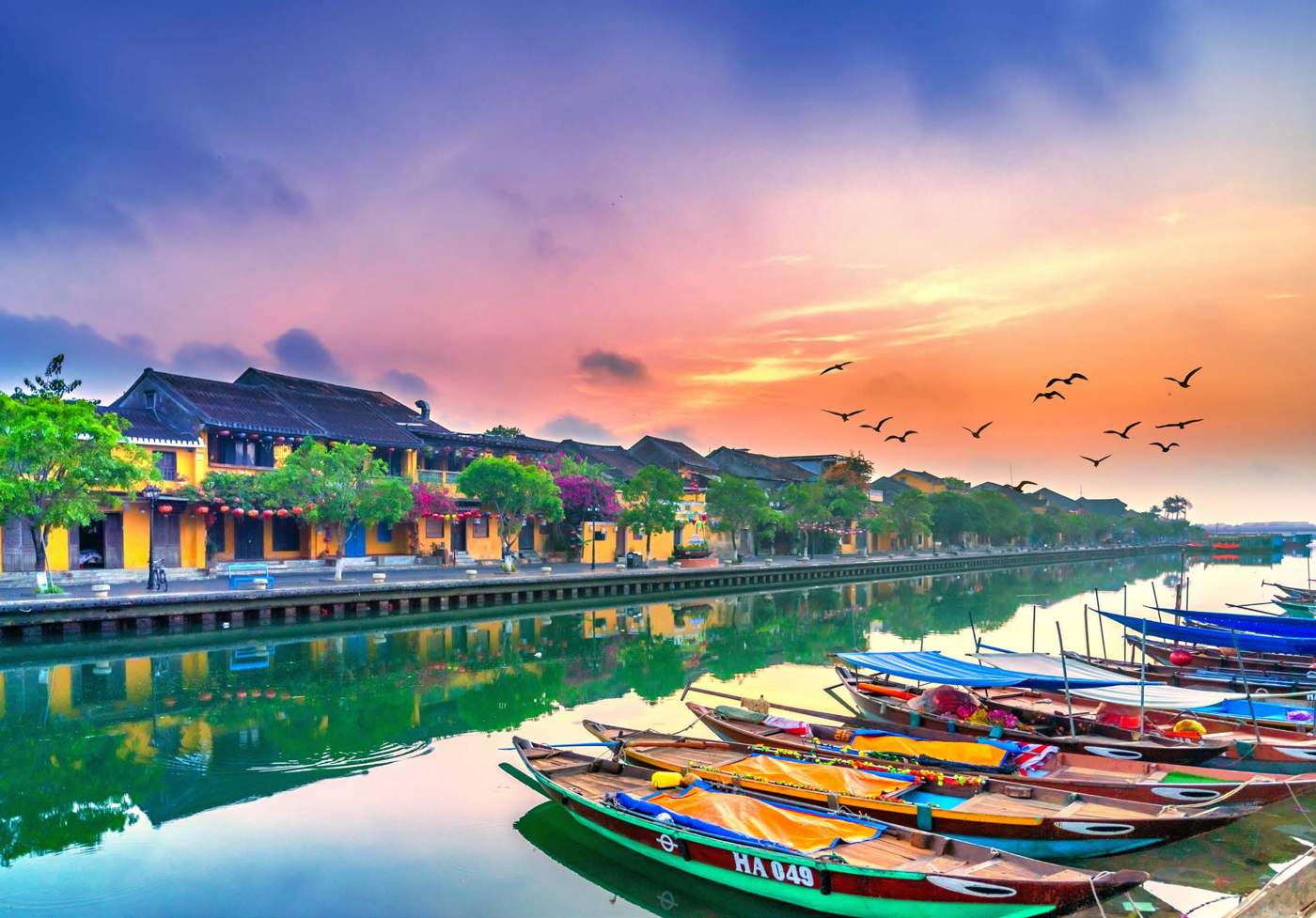
Ha Long Bay, Ninh Binh, Hoi An, Hue, the caves of Quang Binh, Sapa's mountains and the beaches of Phu Quoc are all a bus, train or short flight away. Student groups and clubs often organise trips together.
Healthcare includes public hospitals, private clinics and international hospitals. Check your university's insurance requirements and what your policy covers before you arrive.
For academic, language, wellbeing or accessibility support, your university's international office is the place to start. Ask about counselling, peer mentoring and support for disabilities before you travel.

Save these with your university's emergency contact and your accommodation address.
Tell us about your studies and plans. We match you with programmes and scholarships across Viet Nam, free of charge.