Scholarships in Vietnam for international students (2027): the complete guide
There are three routes to a scholarship in Viet Nam: government agreement awards arranged by your own ministry, scholarships offered directly by universities, and provincial or donor schemes. This guide explains each one and where to start.
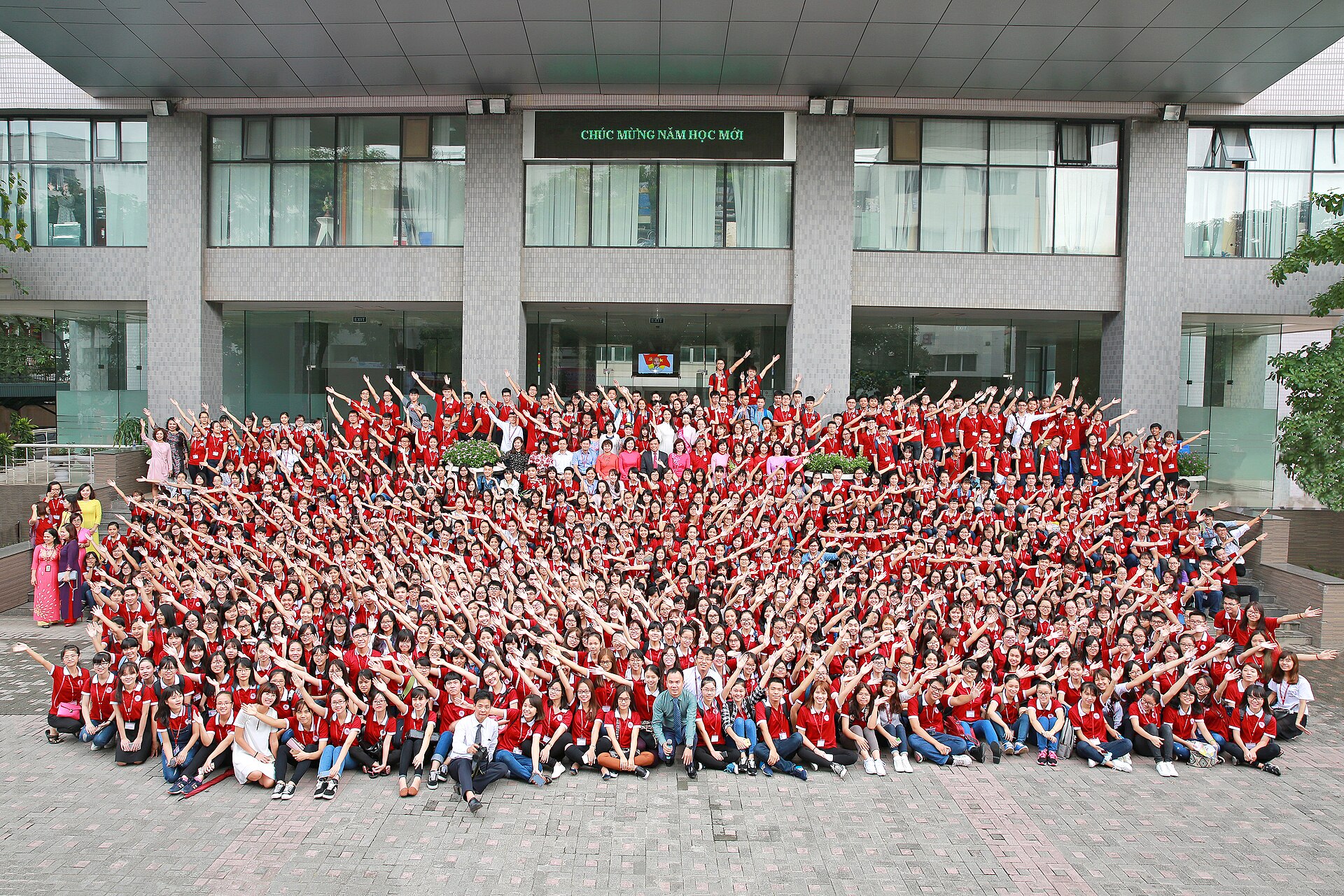
Scholarships in Vietnam for international students are more common than many people think. In the 2025-2026 academic year about 22,000 international students studied in Viet Nam, and around 4,000 of them, from 14 countries, held government agreement scholarships. Most of the rest pay low public tuition or hold a scholarship from their university. This guide sorts the options into three routes so you can see which ones fit you.
Route 1: Vietnamese Government scholarships under bilateral agreements
Viet Nam signs education agreements with partner countries and offers each a yearly quota of scholarships. You do not apply to Viet Nam directly: your own ministry of education or the Vietnamese embassy announces the call and pre-selects candidates. Recent examples show the scale:
- Cambodia: under the 2026-2030 agreement signed in October 2026, Viet Nam grants 150 scholarships a year for undergraduate and postgraduate study.
- Mozambique: a new agreement signed in January 2026 raised the yearly quota from 10 to 15.
- Ukraine: Viet Nam offered 40 scholarships for 2026-2027, including 25 for bachelor's and master's study, with a one-year Vietnamese course for students who do not yet speak the language.
- Laos sends more students to Viet Nam than to any other country, mostly under these agreements.
Read our full explainer on the Vietnamese Government Scholarship and how to apply.

Route 2: scholarships from universities
This is the route open to anyone, whatever their nationality. Universities set their own awards, and the best packages are generous:
- Hanoi University of Industry: 100% tuition, a free dormitory and a monthly allowance, plus a free Vietnamese preparatory year.
- University of Economics Ho Chi Minh City: full tuition, accommodation, living costs and Vietnamese preparation.
- Ton Duc Thang University: 50-100% of tuition, always with free dormitory.
- VinUniversity: merit awards from 50% of tuition up to a full ride with living costs.
- RMIT Vietnam, British University Vietnam and Duy Tan University: partial or full tuition awards.
Our scholarship ranking compares what each award covers, and the 2027 full-scholarship comparison goes into detail.
Route 3: provincial and donor scholarships
Some provinces and international donors fund students from particular countries. Gia Lai province, for example, approved more than VND 135 billion for 700 full scholarships for students from southern Laos and north-eastern Cambodia in 2026-2030, covering tuition, health insurance and VND 3.1 million a month for living costs. At postgraduate level, the Japan-ASEAN Integration Fund supports master's and PhD students from Cambodia, Laos, Myanmar and Timor-Leste at Vietnam Japan University.
Not sure which route fits your nationality and level? Our advisers check government quotas, university awards and donor schemes for you, free of charge.
What a scholarship usually covers
- Tuition: partial (25-75%) or full (100%).
- Housing: a free or discounted dormitory room.
- Living allowance: from about VND 2 to 5 million a month where offered.
- Vietnamese preparatory year: often free for Vietnamese-taught degrees.
- Not usually covered: flights, visa extensions and personal costs, unless a government agreement says so.
How to improve your chances
- Apply early: the first rounds often have the most awards.
- Prepare certified copies and translations of your diploma and transcripts.
- Get an English or Vietnamese certificate if your programme needs one.
- Apply to two or three universities, not just one.
Our step-by-step guide explains how to apply for a scholarship in Vietnam.
Not sure which option fits you? Ask our advisers for free and we will check your eligibility, programme by programme.
Information checked on 28 November 2026 against the sources listed below. Rules, quotas and deadlines change every year: always confirm with the university or the authority before you apply.
Sources
- VietNamNet – Vietnam hosts nearly 22,000 foreign students
- VietnamPlus – Viet Nam and Cambodia sign 2026-2030 education agreement
- VOV – Mozambique, Vietnam boost education cooperation
- Interfax-Ukraine – Vietnam grants 40 scholarships to Ukrainian citizens for 2026/2027
- Tuoi Tre – Gia Lai funds scholarships for Lao and Cambodian students
- VNU – JAIF scholarships for VJU
Frequently asked questions
Can international students get a full scholarship in Vietnam?
Yes. Government agreement scholarships and several university awards (for example HaUI and UEH) cover full tuition and housing, and some add a monthly allowance.
How do I apply for a Vietnamese Government scholarship?
Through your own country's ministry of education or the Vietnamese embassy, which announces the call and pre-selects candidates under the bilateral agreement.
Do I need to speak Vietnamese to get a scholarship?
Not always. Many awards include a free Vietnamese preparatory year, and several universities give scholarships for English-taught degrees.